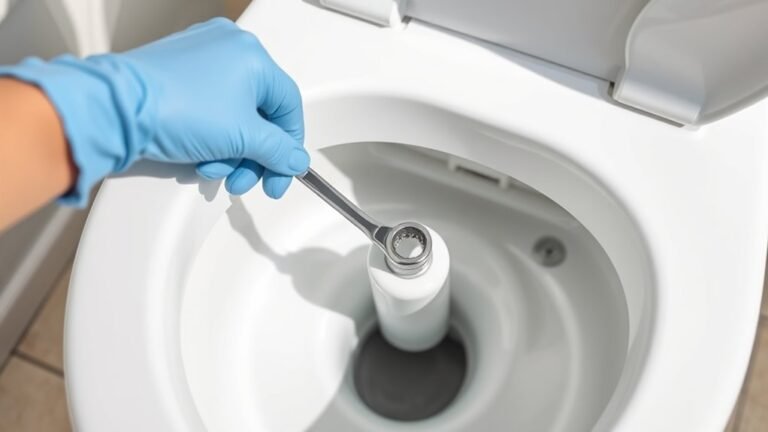
Does a Toilet Need a Vent Pipe?
Yes, your toilet needs a vent pipe to keep air flowing through the plumbing system. This airflow prevents negative pressure that could siphon water from traps, stops sewer gases from entering your home, and helps your toilet flush smoothly.
Without a vent pipe, you might face slow drainage, gurgling sounds, or unpleasant odors. Vent pipes usually run behind the toilet and exit through the roof.
If you want to understand how these pipes work and what problems to watch for, keep exploring. It’s pretty interesting how such a simple pipe plays a big role in your home’s plumbing!
Key Takeaways
- Yes, a toilet needs a vent pipe to maintain proper air pressure and prevent water trap siphoning. Vent pipes allow sewer gases to safely exit through the roof, avoiding indoor odor issues.
- Proper venting ensures smooth toilet flushing and prevents slow drainage or clogs. Toilet vent pipes typically connect to the main vent stack and extend through the roof for airflow.
- Without venting, toilets may gurgle, drain sluggishly, and cause sewer gas buildup indoors. So, having a vent pipe is pretty important for your toilet’s performance and your home’s comfort.
What Is the Purpose of a Toilet Vent Pipe?
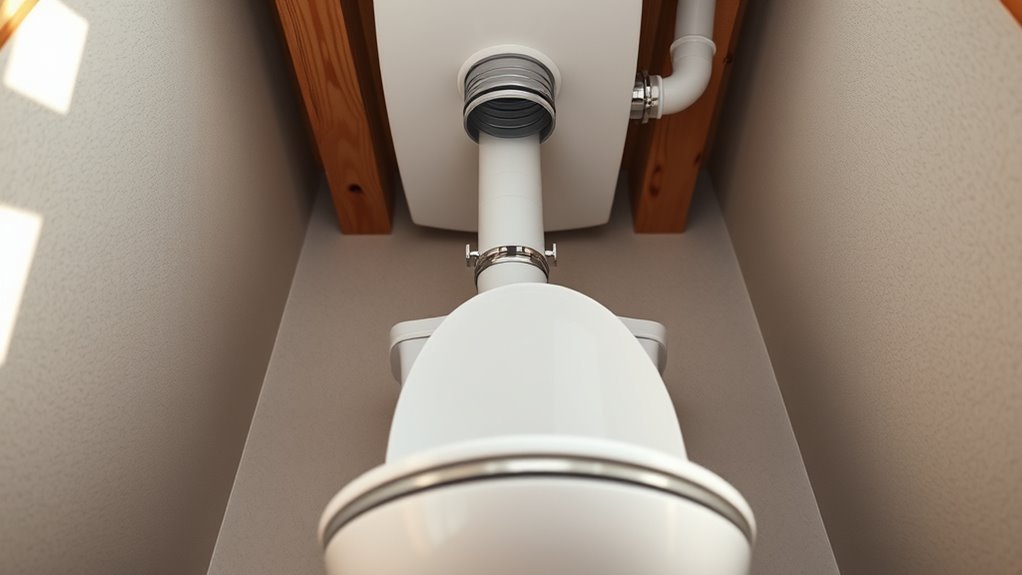
Although you might not notice it, the toilet vent pipe plays a crucial role in your plumbing system by allowing air to enter and maintain proper pressure. This air pressure prevents negative pressure that could siphon water from traps, keeping sewer gases from entering your home.
The toilet vent pipe connects to the drainage system and safely releases these gases outside, usually through a roof opening. Without a proper vent, your toilet might struggle to flush smoothly and could produce unpleasant gurgling sounds.
Additionally, the vent pipe helps control odors by ensuring sewer gases don’t leak indoors. So, the toilet vent pipe is fundamental for maintaining a safe, odor-free environment and ensuring your drainage system works efficiently.
How Does a Vent Pipe Affect Toilet Performance?
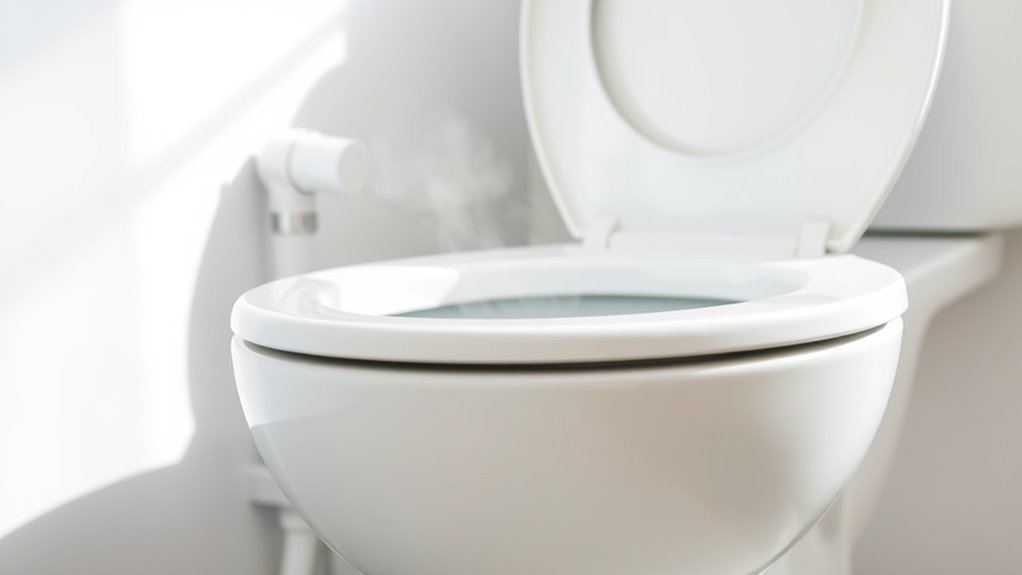
You rely on the vent pipe to keep air flowing smoothly through your toilet’s drainage system. This helps prevent slow drainage and clogs.
It balances the pressure behind the water trap, making sure your flush works efficiently. Plus, it stops sewer gases from sneaking into your home.
Without proper venting, you might hear gurgling sounds or notice unpleasant odors. Both can really affect how well your toilet performs.
Airflow and Drainage
When a vent pipe is properly installed, it lets air flow into the plumbing system. This prevents negative pressure that can weaken your toilet’s flush.
This airflow is essential for maintaining smooth drainage because it balances air pressure behind the wastewater. That way, your toilet flushes efficiently without gurgling or slow draining.
The plumbing vent also stops sewer gases from creating pressure imbalances. These imbalances could siphon water from traps and let unpleasant odors escape.
Without a vent pipe, water pressure inconsistencies might lead to backups or drainage issues. By keeping airflow consistent, the vent pipe supports ideal toilet performance.
It helps waste flow freely and reduces the risk of clogs and bad smells in your bathroom. Proper venting is key to reliable drainage and a fresh-smelling home.
Pressure Balance Importance
Since a vent pipe lets air enter the plumbing system, it keeps the pressure balanced and prevents vacuum conditions that can disrupt your toilet’s flush. Without proper venting, negative pressure builds up, slowing drainage and causing gurgling sounds or incomplete flushing.
The vent ensures steady airflow, which supports consistent water flow and pressure inside the plumbing system. This balance helps your toilet operate efficiently every time you flush.
Additionally, the vent prevents water traps from being siphoned out, maintaining the seal that blocks sewer gases. So, by maintaining proper pressure, the vent pipe directly influences your toilet’s performance, ensuring reliable flushing and preventing common drainage issues.
Ignoring venting means risking poor pressure balance and frustrating toilet problems. It’s definitely not something you want to overlook!
Odor Prevention Role
Beyond maintaining pressure balance, the vent pipe plays a key role in keeping your bathroom free of unpleasant odors. It allows fresh air to flow into the plumbing system, maintaining proper pressure and preventing sewer gases from entering your home.
Without a vent pipe, these gases can build up and escape through your toilet, causing foul smells. Proper air flow through the vent pipe also releases sewer gases outside, ensuring effective odor prevention.
When venting is inadequate, you might notice gurgling sounds or sewer smells. That’s a sign your toilet’s performance is compromised.
| Function | Effect on Toilet | Result |
|---|---|---|
| Vent pipe | Maintains proper pressure | Prevents sewer gases odor |
| Air flow | Allows fresh air in | Ensures odor prevention |
| Sewer gases release | Vents gases outside | Keeps bathroom fresh |
Typical Locations of Toilet Vent Pipes in Homes

Although you might not see them easily, toilet vent pipes play an essential role in your home’s plumbing by typically running vertically behind or near the toilet and extending through the roof. The vent pipe usually connects to the main vent stack or a branch vent, linking your toilet’s drain line to the roof venting system.
This setup allows sewer gases to escape safely outside rather than entering your living space. You’ll often find the vent pipe concealed within walls or floors, sometimes hidden behind access panels, especially in older homes.
The pipe generally terminates just above the roofline, ensuring proper airflow and preventing pressure buildup in the drain line. Understanding these typical locations helps you spot potential plumbing issues early and maintain a healthy home environment.
Common Types of Vent Pipes Used for Toilets
When you look at the vent pipes used for toilets, you’ll find several common types designed to keep your plumbing system balanced and odor-free. The main vent stack is the most common vent pipe, running vertically through the roof to release sewer gases safely.
Branch vents connect individual toilets to this stack, ensuring proper airflow. In tighter spaces, you might encounter air admittance valves, which act as mechanical vents without needing roof penetration.
Wet vents combine drainage and venting in one pipe, often serving toilets and nearby fixtures efficiently. All vent pipes must comply with your local plumbing code, typically sized between 1.5 and 4 inches, and made from materials like PVC or ABS.
Knowing these types helps you understand how your toilet maintains proper ventilation. It’s pretty handy to know what’s going on behind the scenes!
Signs of Toilet Venting Problems to Watch For
If your toilet starts making gurgling noises or flushing feels sluggish, you might be dealing with venting problems. These venting issues often stem from a blocked or damaged vent pipe, which disrupts proper air pressure balance in your plumbing.
You may also notice slow drainage or bubbling in nearby fixtures when flushing. Those are signs that negative pressure isn’t being equalized properly.
Persistent sewer odors around the toilet are another clear warning that sewer gases aren’t venting outside as they should. Sometimes, visible signs like a clogged or disconnected vent pipe on the roof can confirm the problem.
Paying attention to these signs helps you catch venting problems early, preventing more serious plumbing issues and ensuring your toilet functions efficiently. It’s better to tackle these issues sooner rather than later!
Steps to Inspect and Repair Toilet Vent Pipes
Noticing signs like gurgling noises or slow drainage means it’s time to inspect your toilet vent pipes to keep everything working smoothly.
Start by visually checking the vent pipe on your roof for blockages, debris, or damage. Use a plumbing camera or flashlight to spot obstructions inside.
Clear leaves or debris from the vent opening, and snake the pipe if needed. Then, test the drainage by running water and listening for gurgling sounds.
If problems persist, call a plumbing professional to inspect and repair any vent pipe damage.
| Step | Action |
|---|---|
| Inspection | Check vent pipe for blockages and damage |
| Clearing Obstructions | Remove debris and flush or snake the pipe |
| Testing & Repair | Run water, listen for issues, consult plumber |
Frequently Asked Questions
What Does a Vent Pipe Look Like?
A vent pipe looks like a small vertical pipe that sticks out above your roof or through your attic. It’s usually made of PVC or metal, about 1.5 to 4 inches wide, and often has a vent cap on top.
You’ll notice it because it kind of stands out against the roofline. It’s there to let air flow, so your plumbing works right and odors don’t build up inside.
How Do You Fix a Clogged Toilet Vent?
If your toilet’s feeling a bit stuffy, you’ll want to clear the vent pipe on the roof. Grab a plumbing snake or water jet and remove debris gently.
If you find that pesky critters have moved in, it’s best to call a pro. They can handle the cleanup safely and make sure your vent is working right.
What Size PVC for Vent Pipe?
You’ll typically use 1.5-inch PVC for a toilet vent pipe, but local codes sometimes require 2 inches, especially for main vents.
Always double-check your area’s plumbing rules to make sure you’re compliant. It’s better to be safe than sorry!
Does a Downstairs Toilet Need to Be Vented?
Why risk slow drainage and sewer odors? Yes, your downstairs toilet absolutely needs venting to keep airflow balanced, prevent gurgling, and stop harmful gases from entering your home.
Don’t skip this essential plumbing step! It really makes a big difference in keeping everything working smoothly.
Conclusion
You might be surprised to learn that over 30% of plumbing issues stem from poor venting. A properly functioning toilet vent pipe isn’t just a building code requirement—it’s essential for preventing sewer gases from entering your home and ensuring smooth flushing.
If you notice gurgling sounds or slow drainage, don’t ignore them. These are often signs that your vent pipe might be clogged or damaged. Taking the time to inspect and maintain your vent pipes can save you from costly repairs.
Keeping your toilet vent pipe in good shape helps maintain proper air pressure in your plumbing system. This means no unpleasant odors and no frustrating slow drainage. So, if you want a fresh, hassle-free bathroom, paying attention to your toilet vent pipe is a smart move. Regular maintenance and inspection are key to avoiding plumbing headaches down the road.