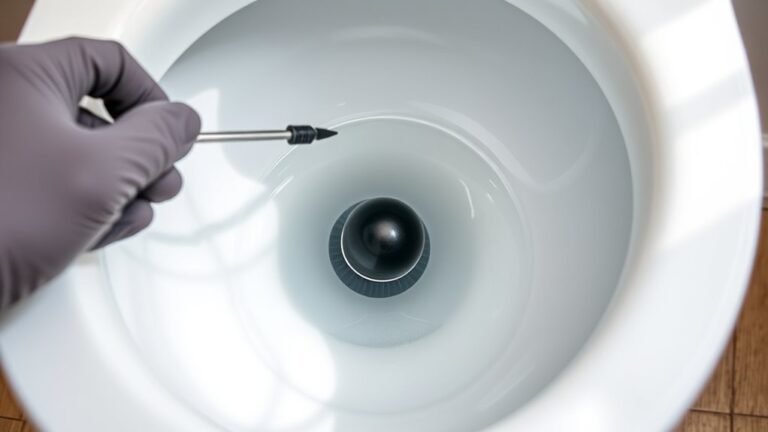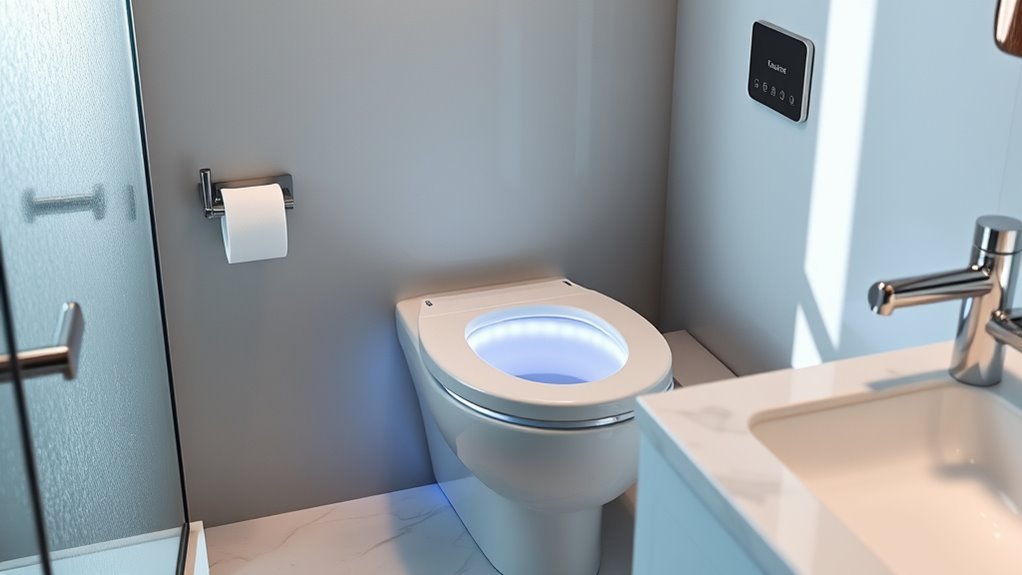
Why Do Some Toilets Use Electricity?
You’ll find some toilets use electricity to power features like automatic flushing, heated seats, and bidet functions that boost hygiene and comfort. These electric components let you enjoy sensor-activated flushes, warm seats during cold days, and adjustable water sprays for a cleaner feel.
Power also supports self-cleaning and deodorizing systems. While electricity enhances your bathroom experience, it also means some toilets rely on power to work properly.
If you want to discover how these systems function and handle power outages, keep exploring.
Key Takeaways
- Some toilets use electricity to power automatic flushing and sensor-driven operations. This means you get hands-free hygiene, which is pretty convenient.
- Electric toilets often have heated seats, making them super comfy, especially when it’s cold. It’s a nice little luxury that many people appreciate.
- Electricity also enables bidet functions with adjustable water temperature and pressure. This helps with better cleanliness and a more personalized experience.
- Electronic controls can support features like self-cleaning, deodorizing, and even LED lighting. These extras really improve the overall bathroom experience.
- Plus, some toilets have backup power systems. So, even during outages, flushing and key functions keep working, which helps maintain sanitation and convenience.
Features That Require Electricity in Modern Toilets

While you might not expect it, many modern toilets rely on electricity to deliver their advanced features. Electrical features like automatic flushing and sensors ensure the toilet operates efficiently and hygienically without manual effort.
Many modern toilets use electricity for features like automatic flushing and sensor-driven operation.
Heated seats are a popular comfort addition, warming the seat for a cozy experience. LED lighting illuminates the bowl or surrounding area, making nighttime visits easier without harsh overhead lights.
Control panels let you customize settings such as water temperature and spray pressure. These are often found on electronic bidets integrated into the toilet.
These bidets use electricity to power their washing functions and drying systems. Some models even include automatic lids that open and close using sensors and motors.
All these features depend on electrical power to enhance your bathroom experience. It’s pretty amazing how much tech goes into something as simple as a toilet nowadays!
Benefits of Electric Toilet Components

Electric components in modern toilets bring a range of benefits that improve both comfort and hygiene. When you choose an electric toilet, you get features that work seamlessly to make your experience more convenient and pleasant.
These include automatic flushing activated by sensors, eliminating the need to touch handles. Heated seats provide warmth, especially in colder seasons, making those chilly mornings a bit nicer.
There are also bidets with adjustable water pressure and temperature for enhanced cleanliness. Plus, self-cleaning and deodorizing systems help maintain freshness and reduce odors.
Behind these features lie advanced control systems that optimize water use and ensure reliable operation. By integrating electricity, toilets become smarter and more functional, saving you time and effort while boosting overall bathroom hygiene and comfort.
How Electric Toilets Enhance Hygiene and Comfort

Because they combine advanced technology with thoughtful design, electric toilets considerably boost both hygiene and comfort in your bathroom routine. These toilets feature bidet functions that provide thorough cleaning, enhancing hygiene beyond what traditional toilets offer.
Heated seats add a layer of comfort, especially during colder months. Sensors play a vital role by enabling automatic flushing and activating self-cleaning cycles, reducing germs and minimizing contact with surfaces.
You can customize water temperature, pressure, and drying options to suit your preferences, making each use more comfortable. Plus, features like deodorization and UV sterilization, powered by electricity, keep your bathroom fresher and cleaner.
Power-Dependent Flushing Mechanisms Explained
Beyond comfort and hygiene, the flushing mechanism plays a key role in how these toilets operate. Many electric toilets depend on electricity to power their flushing systems, ensuring efficient waste removal and user convenience.
You’ll find that power-dependent flushing mechanisms often feature:
- Automatic flush sensors that detect when you finish and activate the flush
- Electric ejector pumps that manage waste by boosting it against low water pressure
- Backup batteries to maintain flushing capability during a power outage
- Electronic controls integrating with heated seats and bidets for seamless operation
Pretty neat, right? These features work together to make your bathroom experience smooth and hassle-free.
Challenges of Using Electric Toilets During Power Outages
When the power goes out, you’ll quickly notice your electric toilet’s flushing and features stop working, especially if it relies on pumps or sensors.
That’s why having backup systems like batteries or generators is essential to keep things running smoothly.
You should also know about emergency flush solutions to avoid any surprises during outages.
Flushing Limitations Without Power
Although electric toilets offer advanced features, they often stop working during power outages, leaving you without flushing capabilities. When the electricity cuts out, these toilets’ reliance on powered flush mechanisms and electronic flush systems becomes a significant drawback.
Without backup power, you face clear flushing limitations. Here’s what you might encounter:
- Sensors and automatic flushes won’t activate without power.
- Pumps and bidet functions become unusable.
- Heated seats and other electronic amenities shut off.
- Some models with battery backup still allow flushing, but many don’t.
In contrast, non-electric toilets function independently of electricity, so during a power outage, they remain fully operational. It’s good to understand these limitations so you can be prepared when your electric toilet might not flush.
This really highlights the importance of considering backup power options.
Backup Systems Importance
Since electric toilets depend on power for essential functions like flushing and bidet operation, you need reliable backup systems to keep them running during outages. Their electricity reliance means that without power, electronic components can’t perform flushing, refilling, or cleaning, causing inconvenience and sanitation problems.
To avoid this, you should invest in backup systems such as battery packs or a backup generator. These solutions ensure your toilet continues working smoothly during power outages, preventing unsanitary backups.
While emergency flushing options are important, maintaining your backup generator or battery packs regularly guarantees your electric toilet remains functional when the grid fails. By preparing with proper backup systems, you can handle power outages without losing essential toilet features.
Emergency Flush Solutions
How do you flush an electric toilet during a power outage? Since electric toilets rely on power for flushing and sensors, a blackout can leave you stuck. To handle this, consider these emergency flush solutions:
- Use manual flush options designed for power failures.
- Employ battery backup systems that offer limited flushing ability.
- Have backup power sources ready to keep electronic functions active.
- Keep a non-electric toilet or alternative sanitation method available.
Without backup power, electric toilets won’t refill tanks or activate flush valves, making manual flush essential. Battery backup helps but may not support all features simultaneously.
Planning ahead with emergency flush strategies ensures sanitation during power outages and prevents inconvenience when electricity fails. It’s always better to be prepared than caught off guard!
Solutions for Reliable Toilet Performance Without Electricity
When the power goes out, you still need a toilet that works reliably. Opt for non-electric models using gravity flush and a consistent water supply to guarantee function without electricity.
You can also choose smart toilets with backup power or manual flush options to maintain sanitation during outages. Off-grid designs and emergency features provide peace of mind by ensuring continuous operation.
Regular checks on backup power and water supply are essential.
| Solution Type | Benefits |
|---|---|
| Gravity Flush | Works without electricity |
| Manual Flush | Allows flushing during outages |
| Backup Power Models | Continuous operation during outage |
Choose the right combination for your needs to stay prepared and comfortable, no matter the power situation.
Frequently Asked Questions
Can I Still Flush My Toilet Without Electricity?
You can usually still flush your toilet without electricity if it’s a traditional gravity-flush model.
However, electric or smart toilets might not flush unless they have a manual override or backup power source.
Does Flushing the Toilet Cost Electricity?
Of course, you’ll love paying for the tiny electric bill your toilet’s flush racks up.
Honestly, though, flushing costs barely any electricity, so don’t worry—it’s more about convenience than draining your wallet or the planet.
Do Electric Toilets Use a Lot of Electricity?
No, electric toilets don’t use a lot of electricity. They typically consume 100 to 200 watts when active, similar to small appliances.
Energy-saving modes help keep their overall power use pretty low throughout the year. So, you really don’t have to worry about your electric toilet spiking your energy bill.
When You Flush a Toilet, Does It Use Electricity?
When you flush a standard toilet, it usually doesn’t use electricity because it relies on gravity.
However, if your toilet has electronic features or pumps, it might consume a small amount of electricity during flushing. Just a little, though!
Conclusion
Imagine your toilet as a smart assistant, lighting up and warming your seat just when you need it. About 30% of modern toilets use electricity to boost comfort and hygiene, making your bathroom experience smoother and cleaner.
But like any gadget, they rely on power, so it’s wise to have backup plans. You don’t want to be caught off guard if the electricity goes out.
Embracing electric toilets means enjoying convenience—just like having a helpful friend who’s always ready to lend a hand. These toilets often include features like heated seats, automatic flushing, and even bidet functions, enhancing both comfort and cleanliness. So, when you think about why some toilets use electricity, it’s really about making your bathroom routine easier and more pleasant every day.