How You Should Never Flush Paper Towels Down the Toilet Safely
You should never flush paper towels down the toilet because they don’t break down like toilet paper. This can quickly clog your pipes and cause major headaches.
When flushed, paper towels form stubborn clumps that trap waste. This leads to slow drains, backups, or even costly plumbing damage.
If you accidentally flush them, stop using the toilet right away. Try using a plunger or call a plumber for help.
Following safe disposal practices helps protect your plumbing and avoids frustrating blockages. Keep exploring to find smart ways to prevent these problems and keep your pipes flowing smoothly.
Key Takeaways
- Paper towels do not dissolve in water and can cause severe plumbing clogs and damage when flushed down the toilet. So, it’s really important to avoid flushing them.
- If you notice a clog, stop flushing immediately. Try using a plunger or a plumbing snake to clear the blockage before it gets worse.
- Always throw paper towels in the trash or compost bin instead of flushing them. This helps keep your plumbing in good shape.
- Watch out for signs like slow drains, gurgling noises, or frequent backups. These might mean a paper towel clog and that you should call a plumber.
- To prevent problems, use reusable cloths and make sure everyone in your home knows how to dispose of paper towels properly. It’s a simple way to protect your pipes and reduce waste.
What Happens When Paper Towels Are Flushed

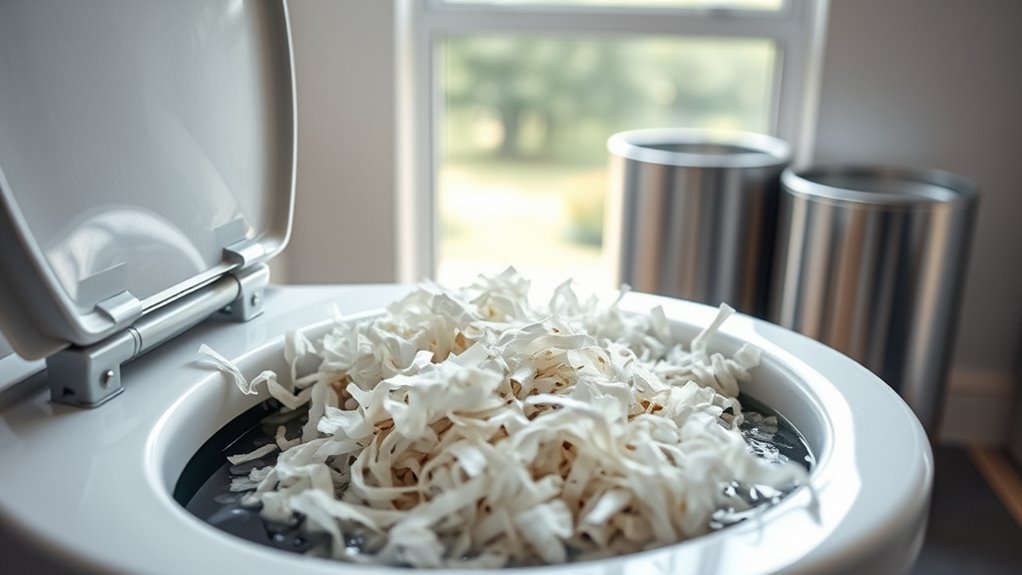
When you flush paper towels, they don’t break down like toilet paper does. Instead, paper towels stay intact and can stick to the walls of your drain pipes. This creates clumps that trap other waste, leading to major plumbing issues.
Over time, these clumps build up and cause blockages in your hidden plumbing. This results in costly repairs and potential backups. Unlike toilet paper, which dissolves quickly, paper towels accumulate and worsen plumbing problems by restricting water flow.
If you keep flushing them, you risk damaging your sewer lines and causing overflows. Waste and toilet misuse like this puts unnecessary strain on your plumbing system. That increases the chances of hidden plumbing failures that could disrupt your home’s water drainage.
Why Paper Towels Cause Plumbing Blockages

Because paper towels are made from thicker, more durable materials, they don’t dissolve easily in water like toilet paper does. When you flush paper towels down the toilet, they tend to clump together, trapping other waste and debris.
This buildup can cause serious blockages in your plumbing system over time, especially if multiple paper towels are flushed at once. These blockages not only disrupt your toilet’s function but can also damage septic systems, leading to costly repairs.
| Issue | Impact |
|---|---|
| Slow breakdown | Clumps form inside pipes |
| Waste accumulation | Gradual blockage buildup |
| Multiple towels flushed | Increased clog risk |
Identifying Plumbing Issues From Flushed Paper Towels
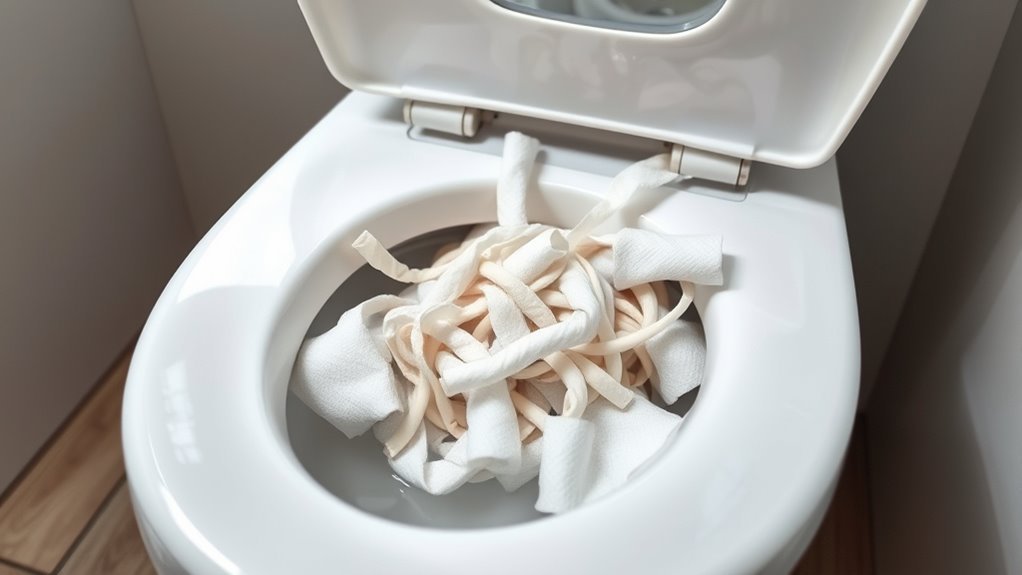
If you notice slow drains, gurgling sounds, or frequent toilet backups, flushed paper towels might be the culprit. Unlike toilet paper, paper towels don’t dissolve and often clump together, creating blockages that trap waste and debris in your pipes.
These clumps can stick to pipe walls, gradually restricting water flow and causing persistent plumbing issues. Over time, this waste buildup can damage your sewer lines or septic systems, leading to costly repairs.
To pinpoint the problem, professionals use inspection tools like sewer cameras, which reveal where paper towel clumps have caused obstructions or damage. Recognizing these signs early helps you avoid bigger plumbing failures and keeps your waste system functioning properly—so always avoid flushing paper towels down the toilet.
Emergency Steps to Take After Flushing Paper Towels
If you accidentally flush paper towels, stop using the toilet right away to avoid making the clog worse. Grab a flange plunger or plumbing snake to try clearing the blockage yourself.
If these tools don’t work, don’t hesitate to call a professional plumber to prevent further damage. Better safe than sorry, right?
Immediate Clog Response
When you notice the toilet struggling to flush paper towels, start by using a flange plunger to try dislodging the clog. This tool creates a tight seal, helping to push the waste through the pipes.
If the blockage remains, avoid flushing more paper towels or other materials, as this can worsen the problem. Next, turn off the toilet’s water supply to prevent overflow and potential water damage.
While a plumbing snake or auger can break up or retrieve stubborn paper towel clogs, if you’re unable to clear the waste yourself, it’s best to call a professional plumber promptly. Acting quickly reduces the risk of sewage backups and costly repairs, protecting both your toilet and your home’s plumbing system.
DIY Removal Tools
After attempting to clear a paper towel clog with a flange plunger, you can try using specialized tools to tackle more stubborn blockages.
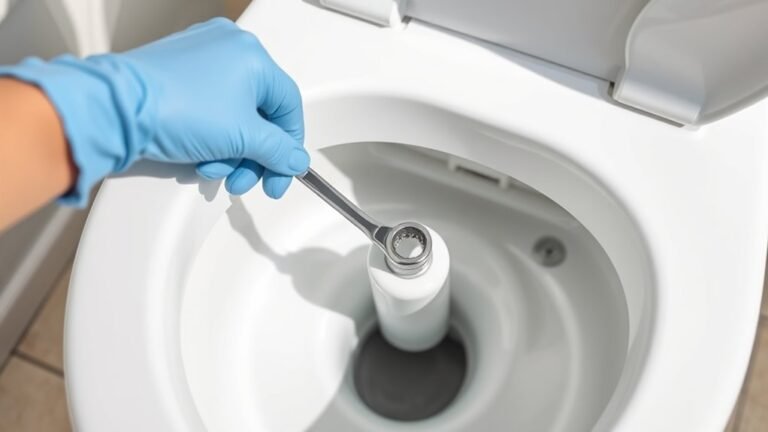
Grab a plumbing snake or auger and carefully insert it into the toilet drain to break up or retrieve the waste causing the backup. Make sure to wear gloves and protective eyewear to avoid contact with sewage or debris.
Apply gentle pressure when maneuvering the snake to prevent damage to your toilet or pipes. Remember, toilet paper breaks down easily, but paper towels don’t, so clogs can be tougher to clear.
If you can’t dislodge the clog with these DIY removal tools, avoid flushing more waste and call a professional plumber to prevent further damage or backups in your toilet system.
Professional Plumbing Help
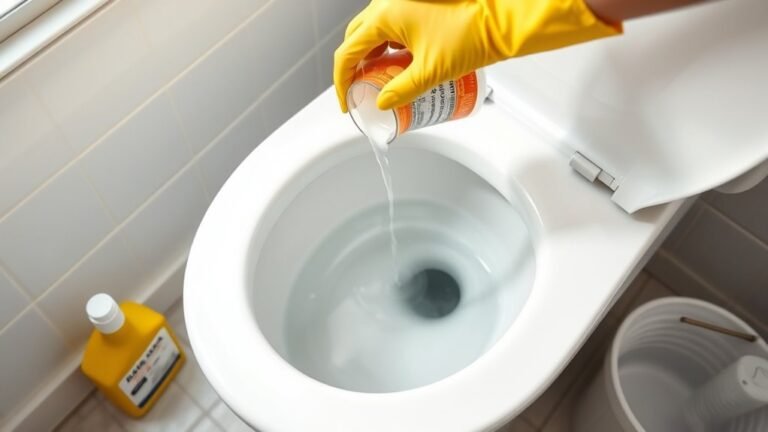
Though it might be tempting to reach for chemical drain cleaners, you should avoid them since they can harm your pipes. Instead, start by using a flange plunger, applying gentle, consistent pressure to dislodge the clog without worsening it.
If that doesn’t work, carefully insert a plumbing snake to break up or pull out the paper towel blockage. Meanwhile, if you notice water rising or sewage backing up, turn off your toilet’s water supply to prevent overflow.
If your DIY efforts fail, don’t hesitate to contact professional plumbing services promptly. Expert plumbers have the right tools and experience to clear stubborn clogs safely and prevent further pipe damage.
Acting quickly ensures a proper repair and keeps your plumbing system in good shape. So, don’t wait too long—getting help early can save you a lot of trouble down the line.
Best Practices to Prevent Toilet Blockages
Since paper towels don’t dissolve like toilet paper, flushing them can quickly lead to clumps that stick to pipes and trap debris, causing blockages. To prevent waste buildup and toilet issues, follow these best practices:
- Always throw paper towels in the trash—never the toilet.
- Educate everyone in your household about proper waste disposal habits.
If you spot minor blockages, act quickly using a plunger or plumbing snake. It’s better to deal with it early before it gets worse.
Also, schedule regular plumbing inspections to catch potential clogs early. That way, you can avoid costly repairs down the road.
Alternatives to Flushing Paper Towels
Instead of flushing paper towels, you should toss them in a trash bin to avoid plumbing issues. It’s a simple step that can save you a lot of trouble down the line.
If you want to be eco-friendly, try composting biodegradable towels or switching to reusable cloth alternatives. These options help reduce waste and are better for the environment.
Keeping a dedicated container for paper towels makes proper disposal easier for everyone in your household. It’s all about making the process convenient so everyone sticks to it.
Trash Bin Disposal
When you dispose of paper towels in a trash bin rather than flushing them, you reduce the risk of costly plumbing clogs and damage. Unlike toilet paper, paper towels don’t break down in water. They can block pipes meant to handle human waste and toilet paper.
To manage paper towel waste safely, follow these steps:
- Use a dedicated trash bin for paper towels near the toilet.
- Avoid mixing paper towels with human waste; let the toilet handle only what it’s designed for.
- Regularly empty the trash bin to prevent overflow and odor.
- Ensure trash bins have lids to contain debris and maintain hygiene.
Composting Paper Towels
Although you might be used to tossing paper towels in the trash, composting them offers a greener alternative that benefits your garden and the environment. Instead of causing waste in landfills or risking toilet blockages, composting returns nutrients to the soil.
Just make sure your paper towels are free of chemicals, dyes, or fragrances to keep the compost safe and healthy. Tear them into smaller pieces, which helps them break down faster—usually within a few months with proper care.
| Step | Description | Benefit |
|---|---|---|
| Check for chemicals | Avoid towels with cleaners/dyes | Prevents compost contamination |
| Tear into pieces | Cut or tear before composting | Speeds up decomposition |
| Proper compost care | Maintain moisture and aeration | Ensures effective breakdown |
| Use compost | Apply nutrient-rich compost to soil | Supports healthy plant growth |
Composting paper towels is a smart way to reduce waste without flushing them down the toilet. Give it a try—it’s easy and good for the planet!
Reusable Cloth Alternatives
If you want to cut down on waste and prevent plumbing problems, switching to reusable cloth alternatives like microfiber towels or rags makes a considerable difference. Reusable cloths offer a sustainable solution by replacing single-use paper towels that often cause blockages when flushed.
Here’s why you should consider them:
- Reusable cloths are durable and machine-washable, so you can use them multiple times without worry.
- Proper laundry keeps these cloths hygienic and safe, avoiding health risks linked to flushing contaminated materials.
- They significantly reduce environmental waste by cutting down on disposable paper towel usage.
- Investing in quality reusable cloths supports eco-friendly habits and prevents costly plumbing issues.
Give them a try—you might find they’re just as convenient and way better for the planet!
Frequently Asked Questions
Is It Bad to Flush Paper Towels Down the Toilet One Time?
Yes, you shouldn’t flush paper towels even once because they don’t break down like toilet paper.
Doing so can cause clogs and damage your plumbing.
That can lead to expensive repairs and frustrating backups you’ll want to avoid.
What Should You Not Throw in the Toilet?
You shouldn’t throw paper towels, feminine hygiene products, wet wipes, cigarette butts, plastic, cotton swabs, or dental floss in the toilet. They cause clogs and damage plumbing, so always dispose of them properly in the trash.
It might seem easier to just flush these things away, but trust me, it’s not worth the hassle. Your pipes will thank you if you toss them in the bin instead!
Do Europeans Flush Their Toilet Paper?
About 70% of Europeans do flush their toilet paper, but you’ll find many who don’t, especially where sewer systems are older.
Can Sanitary Towels Be Flushed Down the Toilet?
You shouldn’t flush sanitary towels down the toilet because they don’t break down and can cause serious clogs.
Instead, wrap them up and dispose of them in the trash to keep your plumbing and sewer lines safe.
Conclusion
Now that you know why flushing paper towels is a plumbing faux pas, don’t treat your toilet like it’s the Wild West saloon where anything goes. Those towels don’t break down like toilet paper and can cause serious blockages.
If you accidentally flush them, act fast to avoid costly repairs. Stick to flushing only what belongs in the bowl, and keep your pipes happy and clear.
Remember, flushing paper towels down the toilet can lead to clogs and expensive plumbing issues. To protect your plumbing system, always dispose of paper towels in the trash. Your bathroom isn’t a stagecoach stop for paper towels—treat it with care, and your pipes will thank you!