Does Drano Work on Toilets?
You can use Drano for minor toilet clogs since it targets organic blockages by breaking them down chemically. However, Drano isn’t always the best choice for toilets because of how they’re designed.
Your toilet’s curved trap often prevents Drano from reaching deeper blockages, which limits how well it works.
Plus, the harsh chemicals in Drano can damage pipes, seals, and porcelain. This damage might lead to costly repairs down the road. That’s why safer mechanical methods usually work better for stubborn clogs.
If you want to understand more about how your toilet’s design affects Drano’s performance and what safer alternatives exist, keep exploring. There’s a lot to learn about unclogging toilets effectively without causing damage.
Key Takeaways
- Drano may clear minor organic clogs but often fails to reach blockages due to the toilet’s trap design. The curved toilet trap prevents Drano gel from flowing past the water barrier to the clog.
- Plus, the chemical reactions in Drano can damage porcelain, seals, and pipes. This can lead to leaks and costly repairs, which nobody wants.
- Mechanical tools like toilet augers and plungers are generally safer and way more effective for clearing toilet clogs.
- Also, overusing or improperly using Drano can cause pipe corrosion and release hazardous fumes. So, it’s usually best to get professional help instead.
How Drano Targets and Breaks Down Clogs

Although Drano is designed to sink through standing water and target clogs, it works by breaking down organic materials like hair, soap scum, and food debris at a molecular level. When you pour Drano into a clogged toilet, it releases heat and gases that help soften and dissolve the blockage.
However, its effectiveness depends on direct contact with the clog, which isn’t always guaranteed. Unlike a drain snake, which physically removes blockages, Drano relies on a chemical reaction that may not reach deep or solid clogs.
Plus, you need to think about safety concerns—Drano’s heat can damage porcelain and weaken pipe joints if misused. So, while Drano targets organic buildup, it’s not always the best option for a stubborn clogged toilet.
Why Toilet Trap Design Blocks Drano’s Effectiveness
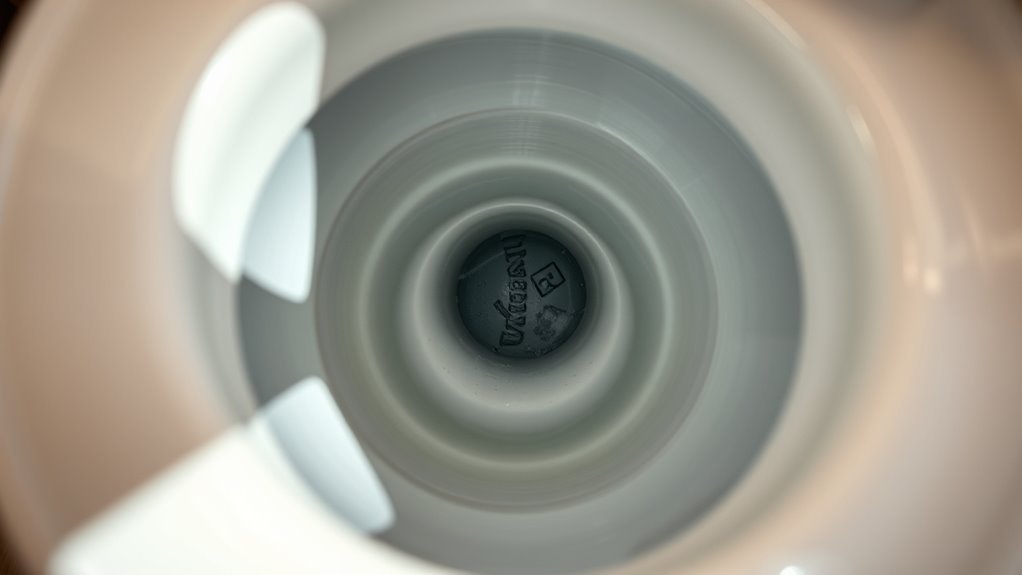
You might not realize that the U-shaped or S-shaped design of your toilet trap keeps Drano from reaching the clog. The gel tends to pool in the bowl instead of flowing past the water barrier in the trap.
Because of this, Drano can’t make direct contact with the blockage to break it down effectively. It’s kind of like the trap is blocking the cleaner from doing its job properly. So, even though you pour it in, the clog stays stubbornly put.
Toilet Trap Shape
Because the toilet trap features an S-shaped bend that holds water, Drano gel can’t reach the clog effectively. This design creates a barrier that stops the gel from flowing into the trap where most toilet blockages occur.
If you’re new to dealing with plumbing issues and try to use Drano expecting a quick fix, you’ll likely be disappointed. The gel pools in the bowl instead of making its way to the clog hidden beyond the trap’s bend.
Since the chemical can’t directly contact the obstruction, it won’t dissolve it properly. Understanding the toilet trap shape helps explain why relying on Drano for toilet clogs often doesn’t work, even if you’ve opened a new account or bought the product for this purpose.
Gel Accumulation Effect
The S-shaped design of the toilet trap doesn’t just block Drano’s path—it causes the gel to gather in the bowl instead of moving toward the clog. Because the trap curves sharply, the thick gel from Drano pools where you poured it, rather than flowing smoothly into the drain pipe.
This accumulation prevents the gel from effectively reaching the blockage. Instead of dissolving the organic material causing the clog, the gel just sits idle in the toilet bowl. The trap’s shape creates a physical barrier that stops the chemical from fully contacting the obstruction.
Limited Clog Contact
Although Drano is designed to dissolve clogs, it often can’t reach the blockage in your toilet because of the trap’s unique shape. Toilets have an S- or U-shaped trap that creates a water seal, acting as a barrier.
This design stops the Drano gel from flowing directly to the clog, which usually sits downstream of the trap. Instead, the gel pools in the bowl and struggles to navigate the curved trap.
Because of this, Drano doesn’t make proper contact with the organic debris or hair causing the blockage. The water and trap shape physically block the chemical reaction needed to dissolve the clog effectively.
Risks of Using Drano in Toilet Plumbing

You might think pouring Drano into your toilet is a quick fix, but it can actually damage your pipes and fixtures. The chemical reactions can create heat and gases that crack porcelain or weaken seals, leading to leaks.
Plus, those reactions can build pressure inside your plumbing, causing costly problems down the line. So, it’s really not worth the risk when it comes to your toilet.
Pipe Damage Risks
When you use Drano in your toilet, you risk damaging pipes and seals that aren’t designed to handle harsh chemicals. The corrosive nature of Drano can eat away at metal pipes like copper and galvanized steel, causing leaks and structural failures.
Plastic pipes aren’t safe either—the heat generated during the reaction can warp pipes and weaken glue joints, increasing the chance of leaks. You also put wax rings and seals at risk, which may deteriorate and lead to water damage or unpleasant odors.
If you keep using chemical cleaners repeatedly, especially in older plumbing systems, you speed up pipe wear and tear. That’s why many plumbers advise steering clear of Drano in toilets to avoid costly repairs and long-term damage.
Chemical Reaction Hazards
Because Drano’s chemical reaction produces heat and gases, using it in toilet plumbing can cause porcelain to crack and wax rings to weaken, leading to leaks. When you pour Drano into your toilet, its gel-like consistency often prevents it from reaching the actual clog in the trap, reducing effectiveness.
The heat generated can damage the wax ring that seals the toilet to the floor, causing leaks over time. Plus, residual chemicals may corrode plastic and metal pipes, which can compromise your plumbing’s integrity.
You also risk dangerous splashes or harmful fumes, which pose safety hazards for you and your home. Given these risks, it’s best to avoid using Drano in toilets and opt for safer, toilet-specific solutions instead.
Safety Concerns When Handling Chemical Drain Cleaners
Although chemical drain cleaners like Drano can effectively clear clogs, they pose significant safety risks if mishandled. You need to wear protective gloves, goggles, and a mask to prevent chemical burns and eye damage.
These cleaners release fumes that can irritate your respiratory system, so always use them in well-ventilated areas. Never mix different chemical products, as this can produce toxic gases like chlorine or hydrogen sulfide, which are extremely dangerous.
Also, Drano’s caustic ingredients can weaken or corrode your toilet’s metal and plastic pipes. This raises the risk of leaks or pipe failure. Taking these precautions seriously helps protect your health and your plumbing system while using chemical drain cleaners.
Mechanical Alternatives for Clearing Toilet Clogs
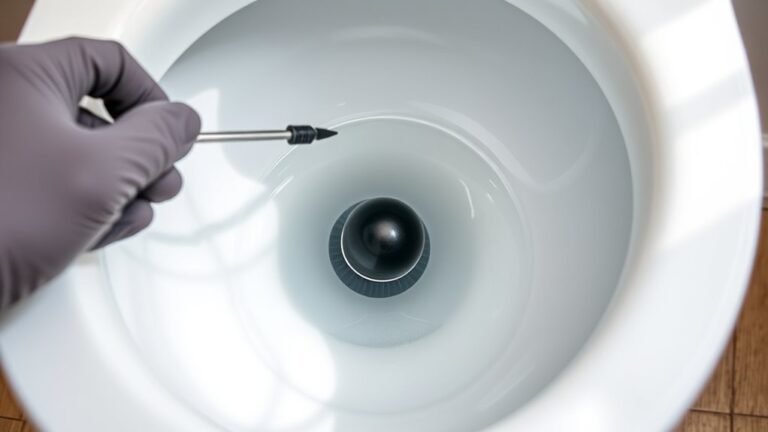
Chemical drain cleaners like Drano might seem convenient, but their risks make mechanical options more appealing for clearing toilet clogs. You can use a toilet auger or snake to reach deep blockages without chemicals.
Insert the auger carefully to avoid scratching or cracking the bowl or trap. A flange plunger also works well by creating extra pressure to dislodge clogs when used properly.
These tools physically break up or retrieve the blockage, protecting your porcelain and plumbing system from chemical damage. When you combine mechanical methods with proper technique and, if needed, expert help, you improve your chances of clearing the clog safely.
Mechanical alternatives offer a reliable, less risky way to handle toilet blockages without harming your fixtures. So, why not give them a try before reaching for those harsh chemicals?
When to Call a Professional Plumber for Toilet Issues
If your toilet clog persists despite using a plunger or auger, it’s time to call a professional plumber. When DIY methods don’t clear the blockage, it often signals a deeper issue that requires specialized tools and expertise.
Also, if you notice cracks or leaks after using chemical drain cleaners like Drano, stop and seek professional help to avoid worsening the damage. Slow flushing, recurring backups, or signs of hidden blockages also indicate that a plumber’s diagnosis is necessary.
When you’re unsure about your plumbing’s condition or previous attempts have failed, contacting a licensed plumber ensures the problem is fixed correctly and prevents costly repairs down the line. Don’t hesitate—professional intervention saves you time, money, and frustration.
Frequently Asked Questions
Can I Leave Drano in My Toilet Overnight?
You shouldn’t leave Drano in your toilet overnight because it can damage porcelain, seals, and create harmful fumes.
Use it for 15-30 minutes, then flush thoroughly to avoid costly repairs and health risks.
It’s better to be safe and follow the instructions carefully to protect your toilet and your health.
When I Flush My Toilet, It Fills up With Water Then Slowly Drains.?
When your toilet fills up then slowly drains, you’re dealing with a clog playing hard to get.
Grab a plunger or auger to break through, but call a pro if it sticks around.
Who Makes Drano?
You’ll find Drano made by S.C. Johnson & Son, a well-known company. They’ve been producing this popular drain cleaner brand for decades, offering various formulas to tackle different types of clogs effectively.
It’s pretty impressive how they’ve kept up with the times, making sure there’s a product for just about any clog situation. So, whether you’ve got a slow drain or a full-on blockage, Drano’s got you covered!
How Do You Unblock a Toilet?
You unblock a toilet by using a flange plunger to create a strong seal and push the clog through.
If that fails, try a toilet auger to reach deeper blockages safely without harming the porcelain.
Conclusion
While Drano effectively breaks down clogs in sinks, it often fails to clear toilet blockages due to the toilet’s unique trap design. Using it might seem like a quick fix, but it risks damaging your plumbing and poses safety hazards.
Instead of relying on harsh chemicals like Drano for toilets, you could try mechanical methods such as plunging or using a toilet auger. These options are usually safer and more effective. If those don’t work, calling a professional plumber is the best bet.
What seems like an easy solution with Drano can quickly turn into a costly problem if you’re not careful. So, when dealing with toilet clogs, it’s smarter to avoid Drano and opt for safer alternatives to protect your plumbing and home.