How Do Tankless Toilets Work Step by Step
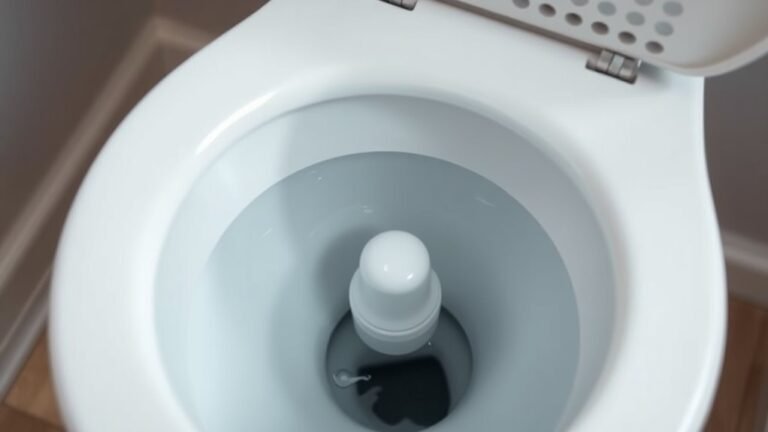
When you flush a tankless toilet, you activate a flushometer that releases a high-pressure surge of water directly into the bowl. This powerful burst clears waste quickly without needing a tank.
The strong water flow creates a siphon effect, pulling waste through the trapway efficiently.
After flushing, the refill valve opens briefly to restore the bowl’s water level.
This whole system depends on having good water pressure to work properly.
Keep reading to understand the details behind each step and see how tankless toilets keep things flowing smoothly.
Key Takeaways
- Tankless toilets use high water pressure to force water directly through a flushometer valve without a tank.
- When you press the flush handle, it opens the flushometer valve, releasing a powerful stream of water into the bowl.
- This water targets rim jets, creating a strong flow that pushes waste efficiently through the trapway.
- The high-pressure water flow then induces a siphon effect, pulling waste out of the bowl.
- After flushing, the valve closes, and the bowl refills gradually through the refill tube to the proper water level.
Activation of the Flush Mechanism
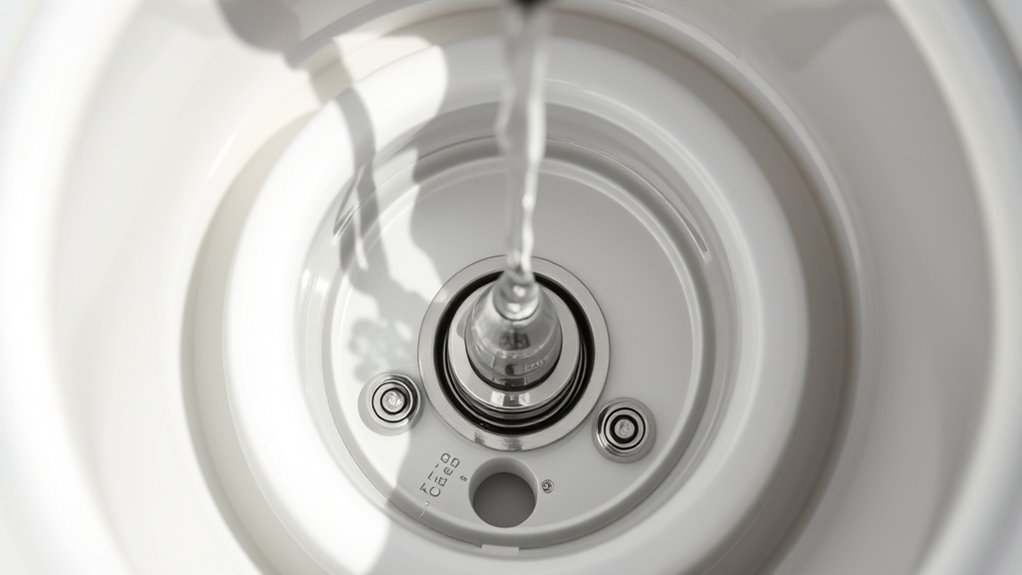
When you press the flush handle, it activates the internal mechanism that lifts the flapper at the bottom of the tank. This flush mechanism quickly opens the seal, allowing stored water to surge from the supply line into the bowl.
This sudden increase in water flow starts a siphon effect, efficiently pulling waste and water through the trapway. As the tank empties, the flapper drops back into place, resealing the tank and stopping the water flow into the bowl.
Meanwhile, the flush mechanism resets itself, getting the toilet ready for the next use. Understanding this activation process helps you see how the flush handle directly controls the water flow. It ensures a powerful and effective flush every time you use the toilet.
Role of Water Pressure in Flushing

Because tankless toilets lack a storage tank, they depend entirely on high water pressure to flush effectively. When you activate the flush, the water pressure—typically around 20 psi—forces water directly through the flushometer, creating a powerful, rapid stream into the bowl.
This pressure difference is vital because it generates the siphon effect needed to remove waste efficiently. If the water pressure falls below the required level, the flush weakens, risking incomplete waste removal and potential running issues.
Direct Water Flow Into the Toilet Bowl

High water pressure feeds directly into the toilet bowl through the flushometer valve. This valve controls the flow of water without relying on a tank.
Flushometer valves use high water pressure to deliver water directly into the toilet bowl without a tank.
When you activate the flush, water enters quickly from the water supply, creating a powerful burst that initiates flushing. Here’s what happens next:
- The flushometer valve opens, releasing pressurized water at around 20 psi.
- Water flows rapidly into the bowl, targeting rim jets for effective coverage.
The force of the water entering pushes waste along without needing stored water. Once the flush completes, the valve shuts off the water flow.
The bowl refills gradually through the connected water supply, preparing for the next flush. This direct water flow system ensures efficient flushing with less wait time and no tank refilling.
Waste Removal and Siphon Action
Once you activate the flush, the flapper lifts to let water surge directly into the bowl at high pressure, pushing waste into the trapway. This sudden rush of water creates a siphon effect that pulls waste and water out of the bowl efficiently.
The trapway’s shape and rim jets work together to enhance this siphon action, generating the suction needed to clear the bowl thoroughly. As water drains, the siphon continues to draw waste through the trapway until the flow naturally stops.
When the flapper reseats after the flush, the siphon effect ends, leaving the bowl empty and ready for the next flush. This precise waste removal system guarantees your tankless toilet functions smoothly every time you flush.
Automatic Refill of Water Supply
After you flush, the fill valve opens to let water flow directly from the supply line into the bowl. This automatic refill process guarantees your tankless toilet is ready for the next use without delay.
Here’s how it works:
- The refill tube directs water into the bowl through the overflow tube, ensuring proper refill.
- The high-pressure water supply rapidly replenishes the bowl without needing a traditional tank.
As water fills, the float rises gradually. When the float reaches its set level, it signals the fill valve to close.
The fill valve then shuts off water flow, completing the refill cycle efficiently. This system keeps your toilet functioning smoothly, saving water and time with every flush.
Preparation for the Next Flush
Although the flush is complete, your tankless toilet immediately gets to work refilling the bowl with water through the fill valve. This ensures it’s ready for the next use without any wait.
Once flushed, your tankless toilet swiftly refills the bowl, ready for immediate use again.
The high-pressure water supply flows directly into the bowl via the refill tube and overflow tube, efficiently restoring the water level. A float mechanism monitors this level and signals the fill valve to stop once the bowl holds the proper amount of water.
This precise system eliminates the need for a traditional tank, so your toilet is always prepared for the next flush. By quickly replenishing the bowl, your tankless toilet maintains consistent performance and hygiene.
It provides a reliable and water-efficient solution every time you use it. Pretty neat, right?
Frequently Asked Questions
How Do Tankless Toilets Work?
You flush, and high-pressure water flows directly from the supply line, quickly cleaning the bowl. The flushometer controls water flow, creating a strong siphon effect.
Then it stops automatically—no tank refill needed, so you’re ready instantly. Pretty efficient, right?
How Does a Toilet Flush Valve Work?
You activate the flush valve by pressing the handle or button, which opens it to release water into the bowl.
Once the flush is complete, the valve closes, stopping water flow and preparing for the next flush.
It’s a simple but clever mechanism that keeps everything running smoothly. Just a quick press, and the bowl gets cleaned right away!
How Much Pressure Do Tankless Toilets Need?
You need at least 20 psi of water pressure for tankless toilets to flush properly. Anything below that can cause weak or failed flushes.
How Does a Tankless Water Heater Work?
A tankless water heater heats water instantly as you turn on the tap, using powerful burners or electric elements. It activates only when water flows, providing continuous hot water without storing it.
This saves energy and space. So, you get hot water on demand without waiting for a tank to fill up. Pretty handy, right?
Conclusion
Using a tankless toilet is like conducting a well-tuned orchestra—each step flows seamlessly into the next. When you activate the flush, water pressure directs a powerful stream straight into the bowl, swiftly removing waste through siphon action.
Then, the system automatically refills, preparing for your next use without delay. With no tank holding water, the process feels efficient and smooth, giving you a clean, reliable flush every time.
In short, tankless toilets work by using direct water pressure instead of a tank to flush waste. This design saves space and offers a quick, effective flush. So, if you’re curious about how do tankless toilets work step by step, it all comes down to that immediate water pressure and automatic refill system that keeps everything running smoothly and efficiently.