How a Bathtub Drain Works Step by Step
When you use your bathtub drain, the stopper plays a key role in controlling water flow by either sealing or opening the drain. You can lift, twist, push, or press the stopper to hold water in the tub or release it when you’re done. This simple mechanism makes sure you can fill the tub for a relaxing soak and then drain it quickly afterward.
Inside the drain assembly, gaskets work hard to prevent leaks and keep unpleasant sewer gases from coming up into your bathroom.
Plus, overflow pipes are built into the system to redirect excess water safely away, so you don’t have to worry about spills or flooding.
If your stopper needs cleaning or replacing, just remove it carefully, clear away any debris, and reseal it tightly.
Stay with me to explore the full workings of your bathtub drain and pick up useful maintenance tips to keep everything running smoothly.
Key Takeaways
- Water flows from the bathtub through the drain stopper, which controls opening and closing to hold or release water. The stopper seals tightly against the drain flange using a gasket or O-ring to prevent leaks and retain water.
- When you open the stopper, it lifts or rotates, breaking the seal and allowing water to drain into the drain assembly. This way, water leaves the tub smoothly.
- There’s also an overflow drain and pipe that handle excess water. They prevent the bathtub from overfilling and safely redirect any extra water.
- Finally, the drain assembly channels water into the plumbing system while maintaining a water seal. This seal is key because it blocks sewer gases from coming back up into your bathroom.
Components of a Bathtub Drain System
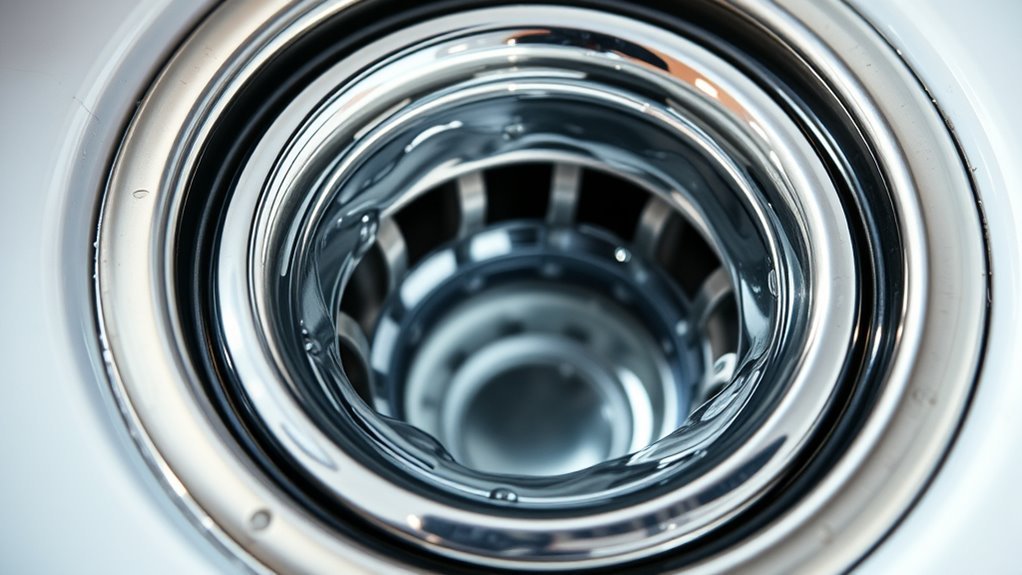
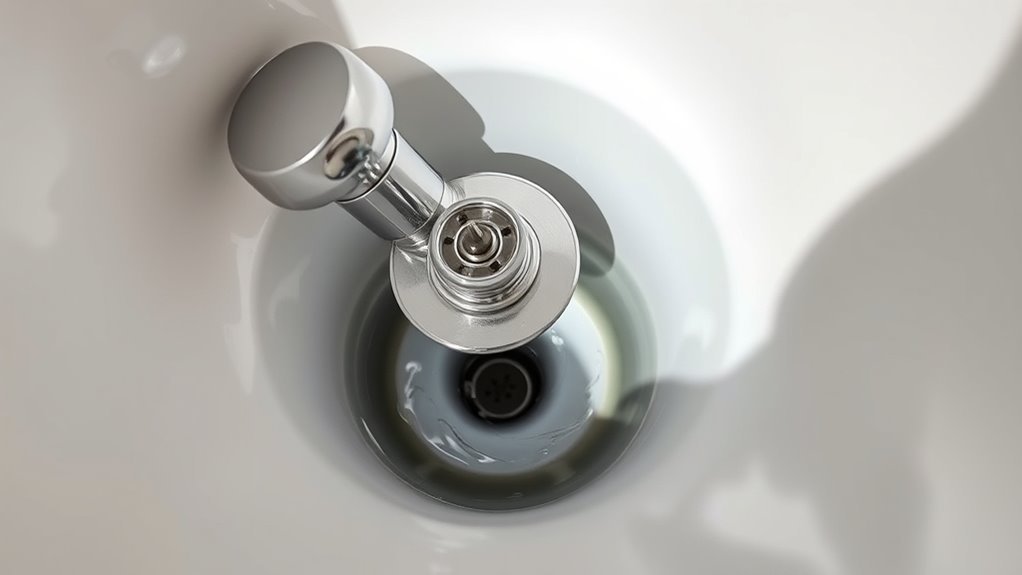
Although you might not notice them, several key components work together to make your bathtub drain system function properly. The drain stopper controls water flow using a stopper mechanism, while the drain flange connects the stopper to the drain basket, creating a watertight drain flange seal.
This seal guarantees no leaks occur between these drain components. The drain assembly manages water filling and draining efficiently, maintaining a proper water seal to prevent sewer gases from escaping.
Additionally, the overflow drain and overflow pipe work together to prevent overfilling by redirecting excess water safely into the main drain. Together, these parts—drain stopper, drain flange, drain basket, overflow drain, and overflow pipe—keep your bathtub draining smoothly and safely without leaks or backups.
Types of Bathtub Drain Stoppers

When you want to control water flow in your bathtub, choosing the right drain stopper makes all the difference. Common drain types include lift-and-turn, push-and-pull, toe-touch, and trip-lever stoppers.
With a lift-and-turn stopper, you rotate a knob to open or close the drain, secured by a setscrew. Push-and-pull stoppers work by pushing down or pulling up the knob for stopper operation.
Toe-touch stoppers are spring-loaded, letting you press with your toe to toggle the drain open or closed. Trip-lever stoppers use a lever on the overflow plate to lift or lower the stopper inside the drain assembly.
Each type offers a unique way to manage your bathtub drain, so picking the right drain stopper helps maintain control and ease of use. It really comes down to what feels easiest for you!
How the Drain Stopper Controls Water Flow

You control the water flow by operating the drain stopper, which seals the drain to hold water or opens it to let water escape. Different stoppers use rods, levers, or springs to open and close the drain.
When closed, the stopper creates a tight seal against the drain flange, preventing water from draining away. It’s a simple but effective way to manage water in your sink or bathtub.
Stopper Operation Methods
Since the drain stopper physically covers or uncovers the drain opening, it directly controls water flow in your bathtub. You’ll find various stopper operation methods, each using mechanical movement within the drain assembly to manage sealing the drain or opening the drain.
Here are four common methods:
- Lift-and-turn drain stopper: You twist the stopper, which lifts it via an internal stopper lever, breaking the watertight seal.
- Push-and-pull stopper: Pushing or pulling moves rods inside the drain mechanism to open or close the seal.
- Toe-touch stopper: Pressing with your toe activates a spring-loaded lever inside the drain assembly.
- Trip lever stopper: A lever on the overflow plate operates rods that lift the stopper.
Each method efficiently controls water flow by engaging internal components to create or release a watertight seal. Pretty neat, right? It’s all about how these parts work together to keep water in or let it drain out.
Opening and Closing Mechanism
Each stopper type uses its unique mechanical action to open or close the drain, controlling water flow by either sealing the drain opening or allowing water to pass through. When you close the stopper, it presses tightly against the drain flange, creating a watertight seal that prevents water from escaping.
To open the drain, you lift or turn the stopper, moving it away from the drain opening. This movement is made possible through a mechanism involving rods, levers, or linkages inside the drain assembly.
These components translate your action into the stopper’s movement, regulating the operation smoothly. Whether it’s a lift-and-turn or push-and-pull stopper, the linkage system guarantees precise control, opening or closing the drain as you intend.
Water Seal Function
Although it might seem simple, the drain stopper plays a crucial role in controlling water flow by creating a watertight seal in the drain opening. This water seal prevents water escape and keeps your bathtub functional.
Here’s how it works:
- When the drain stopper is in the closed position, a gasket or O-ring compresses to form a tight seal.
- This seal is watertight, stopping water from leaking through the drain opening.
- Different stoppers rely on mechanical action—like lift-and-turn or flip-it designs—to engage or disengage the seal.
- Proper sealing also prevents sewer gases from entering your bathroom, maintaining hygiene.
Removing and Cleaning the Drain Stopper
Before you can clean your bathtub drain stopper, you need to identify its type—like lift-and-turn or push-pull. Then, carefully unscrew or pull it out.
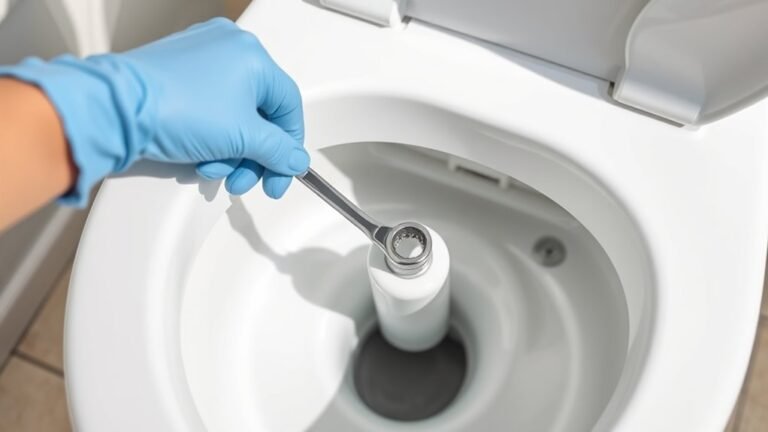
Use pliers or a screwdriver to remove the setscrew that secures the stopper to the drain assembly. Once it’s detached, lift the stopper out to expose the drain basket or flange beneath.
If needed, grab some locking pliers or a drain wrench to unscrew the drain basket by turning it counterclockwise. Give the stopper a good clean with soap and a brush to get rid of soap scum, hair, and other debris buildup.
Don’t forget to wipe down the drain assembly and flange too, clearing away any residue. Keeping these parts clean helps the water drain smoothly and prevents clogs.
Once everything’s clean, you’ll be all set to reassemble the drain components properly. Easy, right?
Replacing and Sealing the Bathtub Drain
When you’re ready to replace your bathtub drain, start by removing the old drain assembly using a drain wrench or screwdriver. Follow these steps for installing a new drain:
First, use a drain removal tool to unscrew and remove the old drain basket. Then, clean the drain opening thoroughly, making sure to remove any old sealant and debris.
Next, roll a log of plumber’s putty evenly around the lip of the new drain basket. This helps create a good seal once it’s in place.
Now, insert the new drain basket into the opening. Hand-tighten it first, then secure it firmly with pliers or a drain wrench.
Finally, finish sealing the drain by tightening all the drain connections. Don’t forget to remove any excess plumber’s putty for a neat, clean finish.
Doing all this ensures your bathtub drain is sealed properly before you move on to leak testing.
Testing for Leaks and Ensuring Proper Drain Function
Once you’ve installed and sealed your bathtub drain, it’s important to test for leaks to make sure everything functions properly. Fill the tub partially with water and close the drain stopper fully.
Mark the water level with tape and wait at least an hour. If the water level stays constant, the seal is good, and the drain functions properly. If you notice a drop in water level, a leak exists, signaling a need for re-sealing or adjustment.
| Step | Action | Indicator of Proper Function |
|---|---|---|
| Fill tub | Partial water fill | Water level mark visible |
| Wait & observe | At least 1 hour | No change in water level |
| Inspect drain | Check stopper & seal | No leak or water loss detected |
Frequently Asked Questions
How Much Does a Plumber Charge to Replace a Bathtub Drain?
You’ll typically pay a plumber between $150 and $350 to replace a bathtub drain. Costs can vary depending on several things like the time it takes and the parts needed.
Sometimes, if it’s an emergency, there might be extra fees. Hourly rates usually range from $45 to $200, depending on how complex the job is.
How to Seal a Bathtub Drain?
You’ll clean the drain area, then apply plumber’s putty or silicone caulk around the flange. Press it firmly, install the drain, and let the sealant cure fully.
Before you test for leaks, make sure the sealant is completely dry. Then, partially fill the tub and check to see if any water is escaping.
How Do I Replace a Pop-Up Bath Plug?
Replacing a pop-up bath plug isn’t rocket science! Just unscrew the lift rod, detach the linkage, and pull out the old stopper.
Next, clean the drain to get rid of any gunk. Then, insert the new plug, reconnect everything, and secure the lift rod back in place. Easy as that!
How Do Sink Drains Work?
You’ll notice water flows through the drain opening into a trap that holds water to block odors.
You control flow by operating the stopper or lever, while seals prevent leaks and keep your plumbing system functioning properly.
Conclusion
Think of your bathtub drain like the heart of a plumbing system—it keeps everything flowing smoothly. Just like I once ignored a tiny leak that turned into a flood, you don’t want to wait until your drain clogs or leaks.
By understanding its parts and maintenance, you’re ensuring your bathtub stays a relaxing oasis, not a plumbing nightmare. Keep it clean, sealed, and tested, and you’ll enjoy worry-free baths every time.
Regular maintenance of your bathtub drain helps prevent common issues like clogs and leaks. Simple steps, such as clearing hair and debris and checking seals, go a long way in keeping water flowing properly. Remember, a well-maintained drain ensures your bathtub remains a stress-free place to unwind. So, take a little time now to care for your bathtub drain, and you’ll avoid costly repairs and plumbing headaches later on.