How You Can Flush a Toilet When Water Is Off
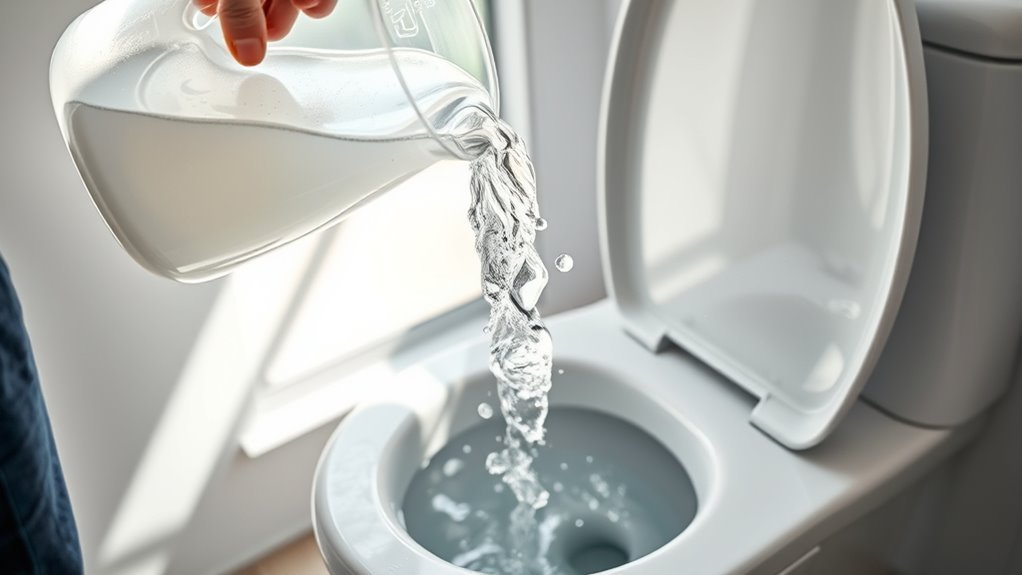
When the water’s off, flushing your toilet might seem tricky, but there are simple ways to manage it. One effective method is to pour about one to two gallons of clean water directly into the bowl quickly. This mimics the natural flush and gets the job done without running water.
You can also fill the tank manually with water and then use the flush handle.
Another option is to lift the flapper inside the tank to release water into the bowl. These little tricks can really help when the water supply is interrupted.
It’s a good idea to prepare ahead by storing extra water for emergencies. Having water on hand makes flushing your toilet during outages much easier.
With these practical tips and tricks, managing your toilet without water is easier than you might think.
Key Takeaways
- Fill a bucket with at least one gallon of clean water to manually pour into the toilet bowl for flushing.
- Pour water steadily and quickly into the toilet bowl or tank to mimic a regular flush and clear waste.
- Remove the toilet tank lid and fill it about an inch below the rim with clean water, then flush manually.
- If the flush handle isn’t working, you can manually lift the flapper inside the tank to release water into the bowl.
- It’s a good idea to store extra water in containers before outages. This way, you’ll have water ready for flushing and keeping things sanitary.
Essential Tips for Managing Toilet Flushing During Water Outages
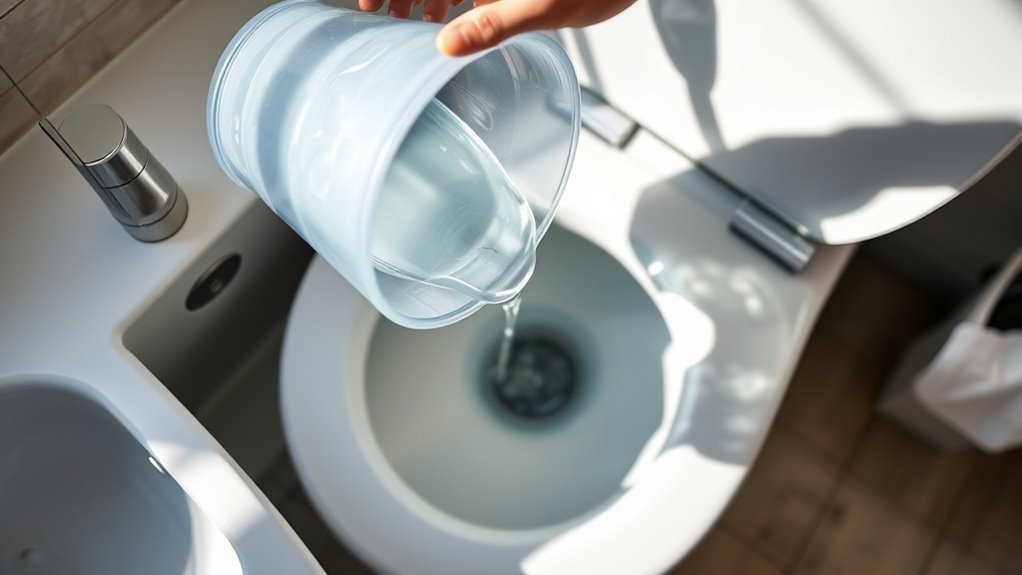
When the water goes off, you should keep at least one gallon of water ready to flush your toilet once. This amount is usually enough for flushing your toilet effectively.
To manage flushing during outages, fill a bucket of water or large containers ahead of time. Make sure you have a clean water source for pouring the water into the toilet bowl.
When flushing a toilet manually, pour water slowly and steadily into the toilet bowl or tank to mimic a regular flush. If your toilet’s internal parts work but lack water, refill the tank to the overflow line with stored water.
Using natural sources like lakes or rivers for water to flush can help conserve household water. Proper preparation guarantees flushing your toilet remains manageable, even without running water.
The Pour-Over Method for Flushing Your Toilet
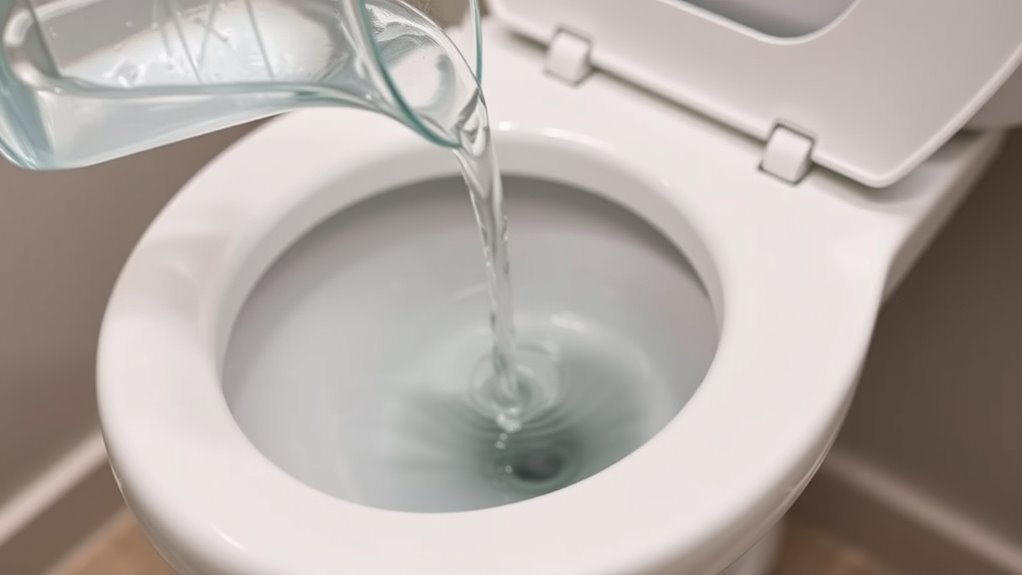
Although water service may be interrupted, you can still flush your toilet using the pour-over method. Simply pour at least one gallon of clean water directly into the toilet bowl.
Start pouring slowly to avoid splashing, then increase the flow quickly to mimic a regular flush. Using a clean bucket or container guarantees the water is free from contaminants.
This technique effectively simulates the flushing action when the toilet’s internal tank can’t refill during outages. If waste remains, just repeat the process until the bowl clears.
The pour-over method is a practical, manual way to maintain hygiene and functionality when water is off. It lets you flush your toilet without relying on the plumbing system.
How to Use the Tank Method to Flush Your Toilet
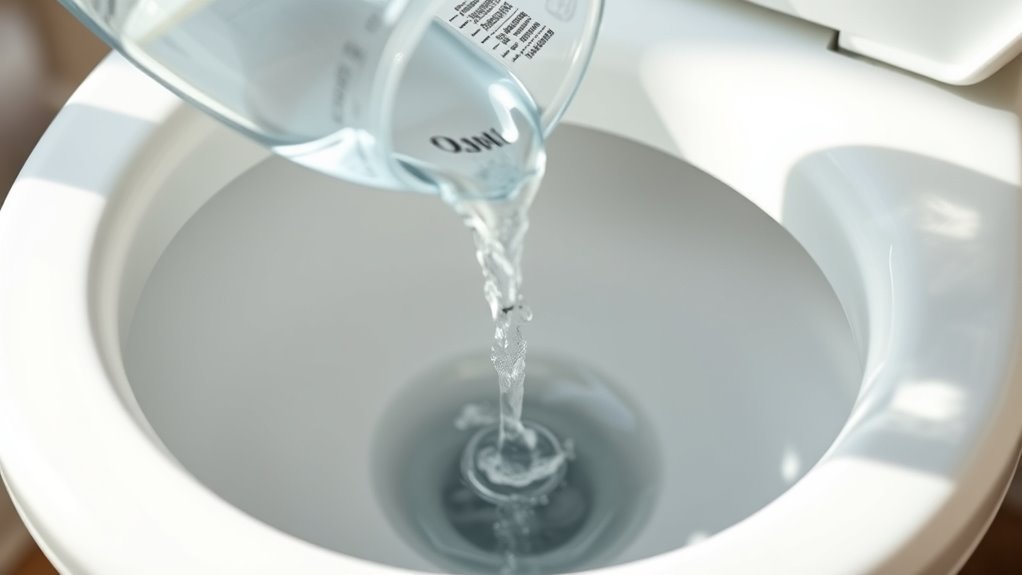
If water is off, you can still flush your toilet by manually filling the tank with clean water. First, remove the toilet tank lid carefully.
Then, use a bucket or container to pour water directly into the tank. Fill the tank to about 1 inch below the rim or the designated water level.
Once filled, press the flush handle to flush the toilet. Repeat as needed until water service resumes, refilling the tank each time.
| Step | Action | Tip |
|---|---|---|
| 1 | Remove tank lid | Handle gently to avoid damage |
| 2 | Pour clean water into tank | Use a bucket for better control |
| 3 | Fill to proper water level | About 1 inch below the rim |
| 4 | Press flush handle | Flush normally with added water |
Manually Operating the Toilet Flapper for Flushing
Start by removing the tank lid to access the flapper and chain inside. If the chain is loose or disconnected, reconnect it to the handle arm.
Then, lift the flapper manually to flush. After flushing, make sure the flapper seals tightly to avoid leaks.
If it doesn’t close properly, you’ll want to replace it to keep everything working smoothly.
Accessing the Toilet Tank
When the water supply is off, you can still flush your toilet by manually operating the flapper inside the tank. Start by carefully removing the tank lid to access the internal parts.
Look for the chain connecting the flush handle to the flapper; if it’s disconnected or slack, reattach or adjust it so the flapper can function properly. Once inside, you can lift the flapper by hand to release water from the tank into the bowl, initiating the flush.
After flushing, make sure the flapper seats correctly over the opening to prevent leaks. If the flapper doesn’t lift or seal well, replacing it will help maintain effective flushing during water outages and improve your manual operation experience.
Lifting the Flapper Manually
Although the water supply is off, you can still flush your toilet by manually lifting the flapper inside the tank. First, remove the tank lid to access the internal parts.
If the chain is stuck or disconnected, detach it from the flush handle arm. Then, gently lift the flapper to let water flow from the tank into the bowl, triggering a flush.
Make sure the flapper seats properly afterward to prevent leaks. If it doesn’t seal well or looks damaged, consider replacing it for effective manual flushing.
| Step | Action |
|---|---|
| 1 | Remove tank lid |
| 2 | Inspect chain connection |
| 3 | Detach chain if stuck |
| 4 | Lift flapper gently |
| 5 | Ensure flapper reseals properly |
Flapper Maintenance Tips
Since proper flapper maintenance guarantees reliable manual flushing, you should regularly check that the chain is securely attached and the flapper seals tightly. Begin by removing the tank lid to access the flapper and chain.
If the chain has come loose or disconnected from the flush handle, reattach or adjust it to ensure smooth operation. Lift the flapper manually to flush, making sure it lifts fully to let water flow into the bowl.
After flushing, verify that the flapper seats properly over the flush valve opening to prevent leaks and ensure efficient flushing. If you notice the flapper is warped or damaged, replace it promptly.
Keeping these parts in good condition ensures your toilet flushes effectively, even when water is off. It’s a simple step that saves you from bigger plumbing headaches later on!
Preparing Water Supplies for Emergency Toilet Flushing
To prepare for an emergency toilet flush during a water outage, you should fill bathtubs, large containers, or buckets with clean water ahead of time. Aim to store at least one gallon per flush to ensure enough volume for effective flushing.
Keep extra water in your freezer or garage, especially if power outages might stop water delivery to your home. When topping off your supply, use natural community sources like nearby lakes or pools, but avoid chemical or contaminated household water.
Remember to check and refresh your stored water regularly to maintain readiness. By having a reliable, clean water reserve, you can flush your toilet efficiently even when the main water supply is off, keeping your home sanitary during emergencies.
Community Advice and Experiences on Water Outage Solutions
You can learn a lot from neighbors who’ve faced water outages before, like pouring a gallon of water directly into the bowl to flush.
Many share tips on social media or store extra water in tubs or buckets for emergencies.
Hearing their stories and methods can help you stay prepared and manage when the water goes off.
Shared Water Flushing Tips
Although water outages can disrupt daily routines, many community members have found effective ways to flush toilets without a running supply. You can pour about one gallon of water directly into the toilet bowl to flush waste efficiently.
Some people recommend filling the toilet tank with water from a bucket for a more traditional flush. Storing water in advance—in bathtubs, containers, or even nearby lakes—makes it easier to manage during prolonged outages.
Sharing these practical tips on social media helps neighbors prepare and adapt quickly when the water goes off. Preparing water ahead of time is key to maintaining sanitation and comfort.
Local Outage Coping Stories
Community members have shared numerous practical stories about managing toilet flushing during water outages, offering valuable advice based on real experiences. Many have successfully stored water ahead or collected it from lakes and pools to flush toilets when water’s off.
Filling bathtubs or large containers in advance guarantees they have enough water for multiple flushes. On social media, neighbors share tips like pouring a gallon of water directly into the bowl for an effective flush.
Some residents rely on the bucket method, pouring 1-2 gallons into the toilet bowl to manually flush waste. These stories highlight how being prepared and resourceful helps maintain sanitation during outages.
You can follow their lead to stay ready and manage toilet flushing smoothly when your water supply is interrupted.
Frequently Asked Questions
Can I Flush the Toilet While the Water Is Off?
Yes, you can flush the toilet even when the water is off. Just pour about a gallon of stored water directly into the bowl or tank.
This action pushes the waste through, allowing you to manually flush the toilet. Keep doing this until the water supply is back on.
How Many Times Can I Flush the Toilet if the Water Is Off?
You can flush the toilet as many times as you have stored water. Each flush uses about 1.6 gallons, so if you store 5 gallons, you can flush roughly three times before needing more water.
It’s pretty straightforward — just keep track of how much water you have on hand. That way, you won’t run out unexpectedly when you need to flush.
Will the Toilet Still Flush if There Is No Water?
No, your toilet won’t flush normally without water, but you can pour a bucket of water into the bowl to mimic flushing.
Just be sure you have enough stored water handy for this manual method.
How to Use the Bathroom When Water Is Shut Off?
When water’s shut off, you can still use the bathroom by manually flushing the toilet with a bucket of water.
Just pour water directly into the bowl slowly. Or, if you prefer, fill the tank and lift the flapper to flush.
It’s pretty simple once you get the hang of it! This way, you won’t have to worry about the water being off.
Conclusion
When the water’s out, you can still flush your toilet using simple methods like pouring water directly into the bowl or filling the tank manually. For instance, during a recent city-wide outage, residents successfully used stored buckets of water to flush, keeping sanitation intact.
By preparing emergency water supplies and knowing these techniques, you’ll stay ready and comfortable no matter the situation. Don’t wait—start practicing these methods today to avoid surprises tomorrow.
Knowing how you can flush a toilet when water is off is a handy skill. Whether it’s a planned outage or an unexpected emergency, having a plan means you won’t be caught off guard. So, keep some water stored, try out these flushing methods, and stay prepared to maintain hygiene and convenience anytime!