How You Can Safely Flush Dog Poop Down the Toilet
You can safely flush dog poop down the toilet only if your home is connected to a municipal sewer system that allows pet waste and local regulations permit it. It’s important to check these rules first because not all areas are the same.
Make sure the poop is unbagged and free from debris, as bags and litter can clog pipes.
Avoid flushing if you have a septic system since it can cause serious plumbing issues.
Proper preparation and understanding your area’s rules help prevent plumbing problems and environmental risks.
Want to keep things eco-friendly? Keep exploring to discover safer disposal alternatives and green options for handling your dog’s waste.
Key Takeaways
– Only flush unbagged dog poop into toilets connected to municipal sewer systems that explicitly allow pet waste flushing.
Make sure to double-check local rules before you go ahead.
– Confirm local regulations permit flushing dog waste and ensure plumbing can handle solid waste without clogging.
You don’t want to end up with a blocked pipe!
– Avoid flushing dog poop in plastic bags or with cat litter to prevent pipe blockages and sewage treatment issues.
Those things just don’t break down well in the system.
– Rinse off excessive dirt or debris from the waste before flushing to minimize plumbing problems.
A little extra effort here can save you a lot of trouble later.
– Consider alternative disposal methods like composting or trash if flushing is prohibited or unsafe for your plumbing system.
There’s always another way to handle it safely!
Understanding When Flushing Dog Poop Is Appropriate
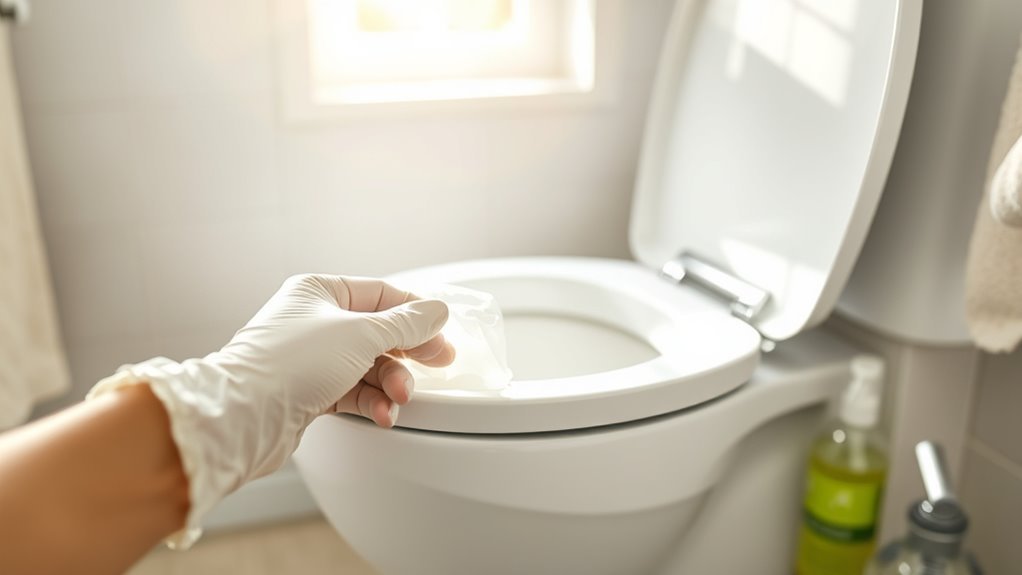
Before you flush dog poop, make sure your home is connected to a municipal sewer system that permits unbagged pet waste. Flushing dog waste is only appropriate when local regulations allow it, so always check your area’s rules first.
If your plumbing system routes to a municipal sewer designed to handle unbagged waste, you can flush dog waste safely without risking clogs or damage. Avoid flushing waste in plastic bags or cat litter, as these can harm sewage systems.
Never flush dog poop if you rely on a septic system; this can lead to system failure and environmental contamination. If flushing isn’t an option, consider composting dog waste properly to protect environmental safety.
Knowing when and how to flush dog poop helps you stay compliant and eco-friendly. It’s all about doing what’s right for your home and the planet!
Risks Associated With Flushing Dog Waste
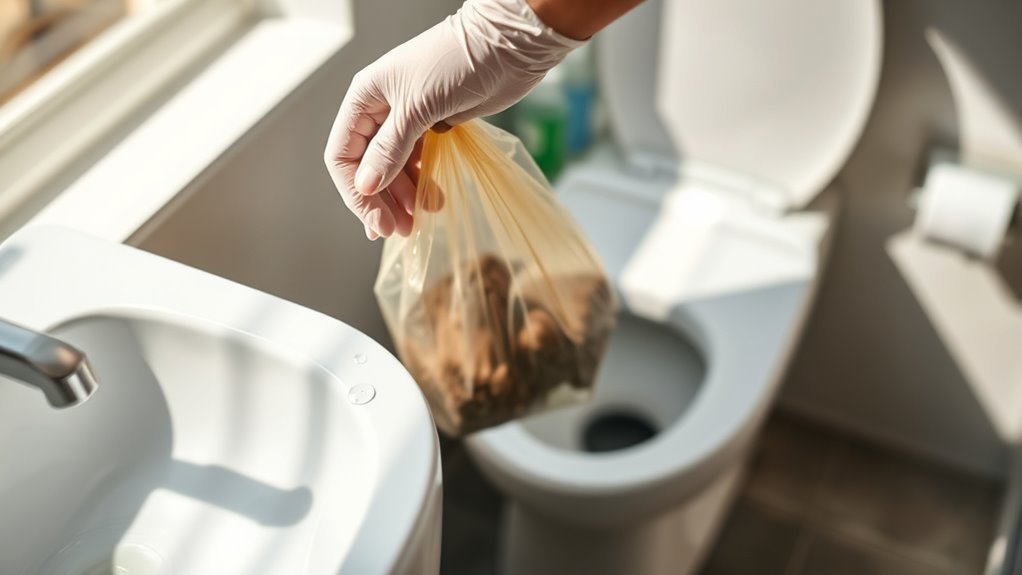
While flushing dog waste might seem convenient, it poses significant risks to both your plumbing and the environment. Dog poop contains bacteria and parasites that sewage treatment plants often can’t fully remove, leading to contamination of water sources.
Flushing unbagged waste can clog pipes because of its density and debris like hair and dirt. This can cause costly plumbing issues you definitely want to avoid.
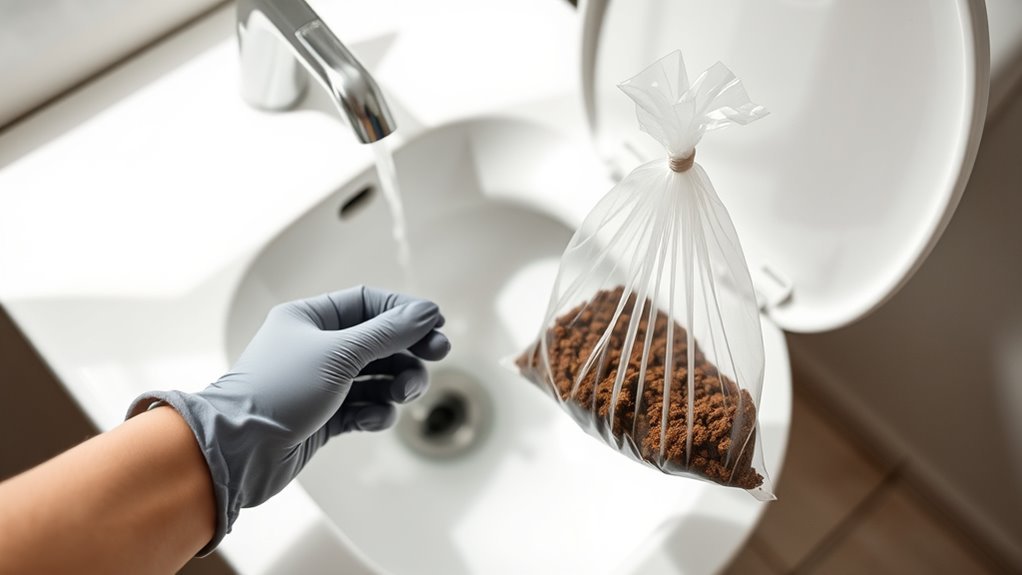
Also, avoid flushing dog poop in plastic bags altogether. These bags can block pipes and disrupt sewage treatment processes, which only increases environmental harm.
Improper disposal threatens public health by letting harmful microorganisms enter waterways. To protect your plumbing and local ecosystems, it’s important to understand these risks before deciding to flush dog waste.
That way, you won’t inadvertently contribute to contamination or health hazards.
How to Prepare Dog Poop for Safe Flushing
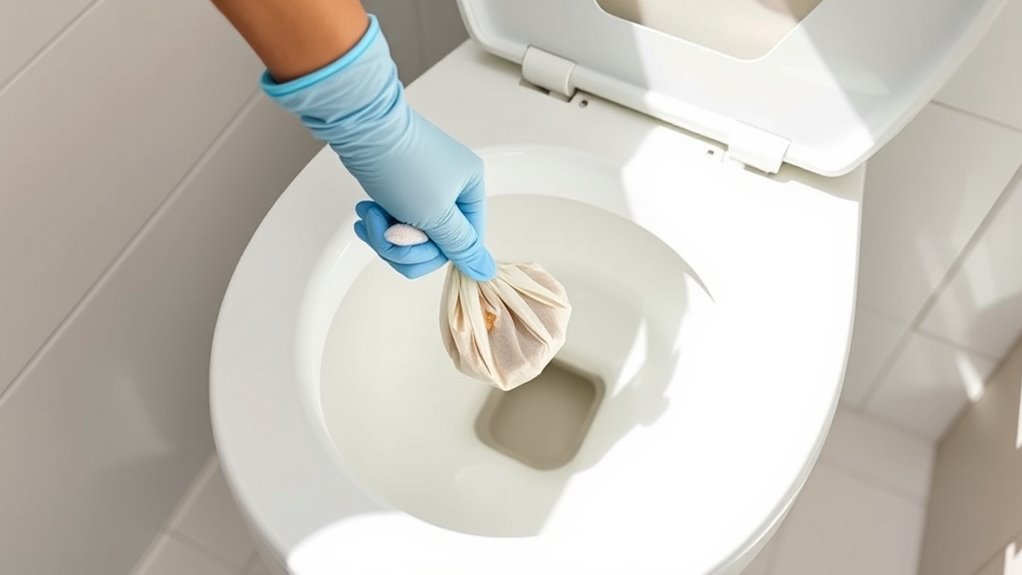
Before you flush, make sure the dog poop is unbagged and placed directly into the toilet bowl.
Check your local regulations to confirm that flushing pet waste is allowed in your area.
Taking these steps helps protect your plumbing and the environment. It’s always better to be safe than sorry!
Unbagged Waste Only
If you want to flush dog poop safely, make sure it’s unbagged and free of dirt, grass, or other debris that could cause clogs. Only unbagged waste should go into the toilet to avoid blockages in your plumbing or the municipal sewer system.
Before flushing dog poop, verify the solid feces aren’t too wet, as overly moist waste can create plumbing issues. You can use a small water rinse to help the waste flow smoothly down the drain.
Always flush into a toilet connected to a municipal sewer system, not a septic tank, to prevent system damage. While flushing dog poop, keep in mind local regulations that may affect your ability to dispose of pet waste this way.
Following these steps helps prevent clogs and keeps the toilet sewage system running efficiently.
Verify Local Regulations
Since regulations on flushing dog waste vary widely, you should always check with your local municipal authorities before disposing of unbagged feces in the toilet. Confirm that your home is connected to a municipal sewer system that permits flushing pet waste, as septic systems often prohibit it.
Also, verify that wastewater treatment facilities follow EPA guidelines for processing unbagged dog feces safely. Flushing without approved disposal can harm sewer systems and the environment.
| Concern | What You Should Do |
|---|---|
| Local regulations | Contact municipal offices |
| Sewer systems | Ensure connection to municipal sewer |
| Wastewater treatment | Confirm EPA-compliant disposal |
Local Regulations and Sewer System Considerations
Although flushing dog poop may seem convenient, you need to check local regulations and your sewer system type to avoid problems. Only flush dog poop if your area’s rules explicitly allow it and you’re connected to a municipal sewer.
Contact your local wastewater authority or city officials to confirm you can flush unbagged waste safely. Avoid flushing dog waste in bags or with litter, as these can clog pipes and disrupt treatment processes.
If you have a septic system, flushing dog poop isn’t advisable—it can cause system failure and lead to environmental contamination. Remember, regulations vary widely, and what’s acceptable in one place may be prohibited in another.
Alternatives to Flushing Dog Waste
If you’re looking for alternatives to flushing dog waste, composting with certified bags is a great option when done properly. You can also bag the waste and throw it in sealed trash bins to avoid plumbing problems.
Another choice is to use professional pet waste collection services that handle disposal responsibly. These services take the hassle off your hands and ensure everything is done safely.
Composting Pet Waste
When you choose to compost dog waste, you not only reduce landfill contributions but also create nutrient-rich soil safely. Composting pet waste requires using compostable poop bags or biodegradable bags and specialized composters that reach at least 140°F to kill harmful pathogens.
This method offers an eco-friendly dog waste disposal alternative to flushing pet waste, which burdens sewage treatment plants. Proper waste treatment through composting supports environmental protection by minimizing microplastic pollution and preventing pathogen spread.
| Aspect | Details |
|---|---|
| Bag Type | Compostable poop bags |
| Composting Temperature | Minimum 140°F (60°C) |
| Safety Precaution | Avoid use in vegetable gardens |
| Waste Treatment | Natural enzymes in septic systems |
| Environmental Impact | Reduces landfill, protects soil |
Trash Disposal Methods
Because flushing dog waste can strain sewage systems, disposing of it in the trash offers a practical alternative. Instead of flushing pet waste down the toilet, seal your dog waste securely in biodegradable bags or double-layered pet waste bags. This prevents leaks, controls odors, and reduces the risk of attracting pests.
Never toss dog waste directly into the trash without a bag, as it can cause contamination and unpleasant smells. Responsible disposal like this helps keep harmful pathogens out of treatment systems and protects the environment.
When you use certified compostable or biodegradable bags, you support eco-friendly practices while ensuring safe trash disposal. So, if you opt not to flush animal waste, always choose proper bagging and sealed bins to maintain hygiene and reduce environmental impact.
Pet Waste Collection
How can you manage your dog’s waste without flushing it down the toilet? Pet waste collection services offer a convenient alternative to flushing pet poop. By using Dog Poop Bags and scheduling pickups, you ensure proper waste disposal without risking plumbing issues or treatment plant overload.
Many communities provide designated disposal sites or specialized bins for pet waste, helping reduce environmental impact. You can also explore eco-friendly options like dog waste composters or in-yard septic systems that handle waste responsibly on-site.
As a responsible dog owner, choosing these methods supports safe, effective pet waste management while avoiding the complications that flushing pet poop can cause. Embracing these alternatives keeps your home and the environment cleaner, without relying solely on flushing.
Benefits of Using Compostable Poop Bags
Although traditional plastic bags may seem convenient, compostable poop bags offer clear benefits that make them a smarter choice for handling pet waste.
These bags break down fully in composting systems, preventing microplastic pollution caused by many biodegradable plastics. By choosing compostable poop bags, you support eco-friendly disposal methods that turn organic waste into valuable compost.
Plus, they’re designed to be leak-proof and odor-blocking, making cleanup hygienic and easy.
Here’s why compostable poop bags stand out:
- They are certified to decompose completely, ensuring environmentally friendly waste management.
- Compatible with flushable pet waste systems, they simplify disposal without harming plumbing.
- They reduce your pet’s environmental impact by turning waste into nutrient-rich compost in certified composting systems.
Frequently Asked Questions
Is It Safe to Flush Dog Poop Down a Toilet?
You can flush dog poop down the toilet only if your local sewer system allows it and you flush unbagged waste.
Avoid flushing bags or using septic tanks to prevent clogs and damage.
Always check rules first.
Better safe than sorry, right? Just make sure you’re following the guidelines in your area before you go ahead.
Can I Flush Dog Poop Down the Drain?
You generally shouldn’t flush dog poop down the drain, especially if you’re on a septic system.
Only flush bare waste if your municipal sewer allows it. Always avoid flushing bags or litter to prevent clogs and damage.
Why Can’t You Flush Dog Poo Down the Toilet?
You can’t flush dog poo because it contains harmful bacteria and parasites that sewage plants can’t fully remove.
Plus, it clogs pipes and septic systems, risking blockages and environmental contamination.
Can Breathing in Dog Feces Fumes Be Harmful to Humans?
Yes, breathing in dog feces fumes can harm you. They contain bacteria, parasites, and gases that irritate your lungs and may trigger respiratory issues like asthma.
You should handle and ventilate waste properly to stay safe. It’s really important to be careful around dog poop to avoid any health problems.
Conclusion
When it comes to flushing dog poop, remember that “better safe than sorry” applies. You can flush waste only if your local sewer system allows it and you prepare it properly to avoid clogs or contamination. Always check regulations first, and consider alternatives like compostable bags for an eco-friendly option.
By staying informed and cautious, you’ll keep your plumbing and the environment happy. This makes pet care safer and cleaner for everyone. So, whether you flush dog poop down the toilet or choose another disposal method, always prioritize safety and environmental care. That way, you protect your home’s plumbing while being kind to the planet.