How Do You Fix an Overflowing Toilet in 3 Simple Steps
First, stop the water flow by turning the shut-off valve clockwise or the main supply if needed. This is the very first thing you should do when dealing with an overflowing toilet to prevent more water from spilling out.
Next, clear the clog using a flange plunger with firm, short pushes. If plunging doesn’t do the trick, try a toilet auger to break up or retrieve the blockage.
Finally, flush the toilet to check if the overflow has stopped and keep an eye on the water level in both the tank and bowl.
You’ll also want to make sure the flapper seals properly and that there are no leaks.
Keep going to find out how to prevent future issues with your toilet. It’s easier to avoid problems than to fix them later!
Key Takeaways
- Turn the shut-off valve clockwise to stop water flow immediately and prevent flooding.
- Use a flange plunger to break up the clog with short, forceful plunges.
- If plunging fails, carefully use a toilet auger to clear the blockage.
- Flush to check if water drains properly and the overflow stops.
- Monitor water levels and seals to ensure the toilet functions normally after fixing.
Stop the Water Flow Immediately

If your toilet starts to overflow, stop the water flow immediately by turning the shut-off valve clockwise until it stops. This action causes an immediate halt to the water from flowing into the toilet tank, preventing more water from entering the bowl.
If the shut-off valve doesn’t work, you’ll need to turn off water at the main water supply, usually located near the water meter. Removing the toilet tank lid helps you monitor the water level and access the flapper valve; push it down to prevent additional water from entering the bowl.
Quickly stop the water to avoid extensive flooding and damage. Keep towels or a wet/dry vacuum handy to remove excess water from the floor, ensuring the overflow situation is contained effectively.
Clear the Clog With a Plunger or Auger

One of the most effective ways to clear a toilet clog is by using a flange-style plunger. It creates a tight seal over the toilet bowl’s drain, allowing you to force water into the clog and break it up.
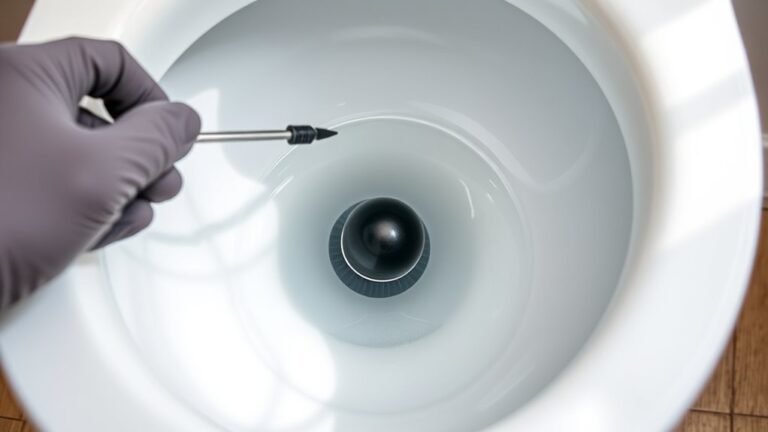
Here’s how to proceed: position the plunger over the drain opening and plunge with short, forceful pushes for 15-20 seconds. If the clog doesn’t clear, carefully insert a toilet auger into the bowl and turn the handle clockwise to latch onto or break through the clog.
Slowly remove the auger, being careful not to damage the porcelain. Finally, flush the toilet to test the drain and make sure the clog is fully removed.
Using these tools correctly will help you clear the clog and get your toilet back to normal. It’s pretty straightforward once you get the hang of it!
Restore and Test Your Toilet’s Functionality
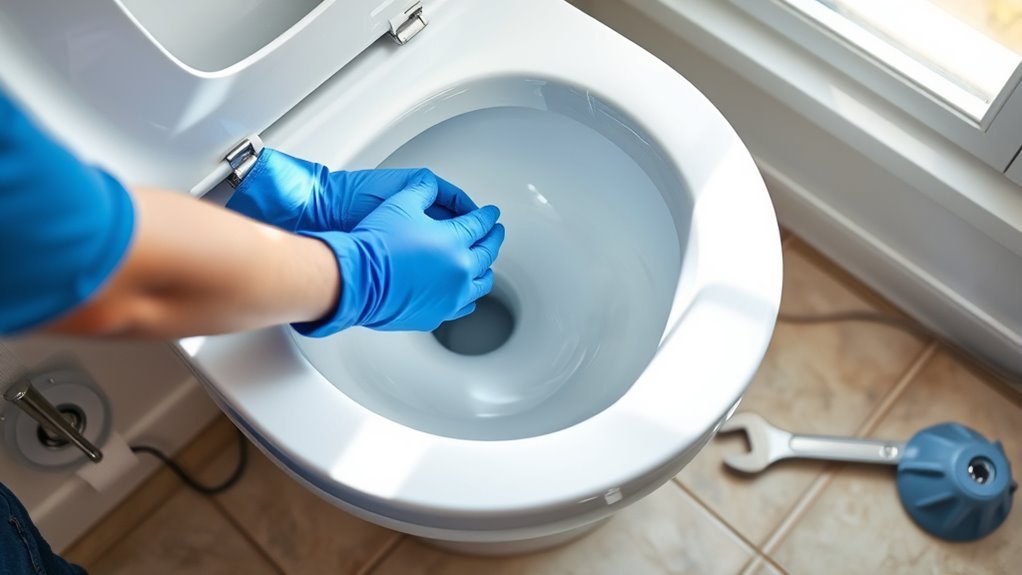
Once you’ve cleared the clog, flush the toilet to see if water drains smoothly without overflowing. Watch the water level in the bowl and toilet tank; it should stabilize at normal levels.
Check that the flapper creates a proper seal and the fill valve shuts off correctly to stop continuous water flow. If the water level keeps rising or the toilet overflows, you might need to adjust or replace the fill valve to fully fix the problem.
Wipe around the base and tank with a tissue to detect any leaks that could indicate a faulty seal. Perform several test flushes to ensure the water drains properly every time.
Frequently Asked Questions
What to Do if the Toilet Won’t Stop Overflowing?
If your toilet won’t stop overflowing, immediately turn off the shut-off valve. If that fails, shut off the main water supply.
Remove excess water, try clearing clogs, and call a plumber if it still overflows. It’s better to act quickly before things get worse!
Can a Toilet Overflow Without Being Flushed?
You’d think a toilet overflowing without flushing is a rare apocalypse, but it can happen. Faulty fill valves, clogged drains, or sewer backups can cause water to rise and spill, even if you don’t flush at all.
Yeah, it sounds pretty weird, right? But sometimes, plumbing issues don’t wait for a flush to make a mess. So if your toilet starts overflowing on its own, it’s a good idea to check those parts or call a plumber before things get worse.
How Do I Stop Constant Water Flow in My Toilet?
You stop constant water flow by turning the shut-off valve clockwise. This will stop the water supply to the toilet.
Next, lift the float to halt the tank from filling up. This helps you see if the water level is causing the problem.
Then, check the flapper to make sure it’s sealing properly. If it’s not, water will keep leaking into the bowl.
If the flapper or the fill valve is faulty, you’ll need to replace them. That should fix the constant water flow issue for good.
Will a Clogged Toilet Overflow if You Flush It?
Yes, if you flush a clogged toilet, it can overflow. You should avoid flushing when you suspect a clog, as the water has nowhere to go.
This increases the risk of spills and water damage in your bathroom. So, it’s best to wait and address the clog before trying to flush again.
Conclusion
When your toilet threatens to flood like a wild river, you’ve got the power to tame it. First, stop the water’s rush before it spills chaos. This means turning off the water supply valve behind the toilet to prevent any more water from flowing in.
Next, clear the stubborn clog—your plunger or auger is your trusty sword. Use these tools carefully to break up or remove whatever is blocking the pipes.
Finally, breathe life back into your toilet by testing its flow. Flush the toilet to see if the water drains normally without backing up. If it does, you’ve successfully fixed the overflowing toilet.
By following these three simple steps—shutting off the water, clearing the clog, and testing the flush—you can easily stop an overflowing toilet and avoid a bathroom disaster. It’s a quick fix that keeps your bathroom peaceful and clean.