
How Do I Become a Commodities Trader in 5 Essential Steps
To become a commodities trader, start by learning market fundamentals like supply and demand, as well as futures contracts. Understanding these basics is crucial because commodities trading revolves around predicting price movements based on market forces. Getting familiar with how commodities markets operate will give you a solid foundation to build your skills.
Next, pick a reputable trading platform that offers the commodities you’re interested in and make sure you complete the necessary registration. Choosing the right platform is key since it affects your trading experience and access to market data.
Once you’re set up, focus on obtaining the required licenses and certifications to trade legally and boost your credibility in the industry.
After that, develop a strong trading strategy that emphasizes risk management. Commodities markets can be volatile, so managing risk effectively helps protect your investments.
Finally, stay updated on market news and trends because these factors influence commodity prices constantly. Following these steps will set a solid foundation, and exploring them further will deepen your expertise.
Key Takeaways
– Understand commodity markets, including supply-demand dynamics, futures contracts, and key market influences like geopolitical and economic trends.
It’s important to get a good grasp of how these factors impact prices and trading opportunities.
– Choose and register with a reputable, regulated trading platform offering the commodities and tools suited to your trading goals.
Picking the right platform can really make a difference in your trading experience.
– Obtain necessary certifications and licenses, such as FCA registration and industry credentials like CFA or CISI, to ensure compliance and credibility.
These credentials will boost your professional standing and help you follow regulations properly.
– Develop and practice a robust trading strategy incorporating market analysis, risk management techniques, and regular performance reviews.
Keep refining your approach based on what works and what doesn’t.
– Stay informed through reliable news sources, real-time data, and continuous education to adapt and improve your trading skills.
The markets are always changing, so staying updated is key to success.
Understand Commodity Markets and Trading Fundamentals

Before diving into commodities trading, you need to grasp how commodity markets work and the basics of trading. Commodity markets deal with tangible goods like energy, metals, and agricultural products. Price fluctuations depend heavily on supply and demand.
Understanding commodity markets and trading basics is crucial before engaging with energy, metals, and agricultural products.
Understanding trading fundamentals means learning how futures contracts operate. These contracts offer you leverage and scheduled delivery options.
Effective market analysis involves tracking geopolitical events, weather patterns, and global economic trends that influence prices. You’ll interact with producers, traders, and hedgers, each with unique goals.
Managing risk is essential, so you’ll need strategies to protect your investments amid volatility. Familiarizing yourself with trading platforms is vital, but first, focus on mastering how these elements connect.
That way, you can trade confidently and respond to market changes effectively.
Choose and Register With a Reputable Trading Platform
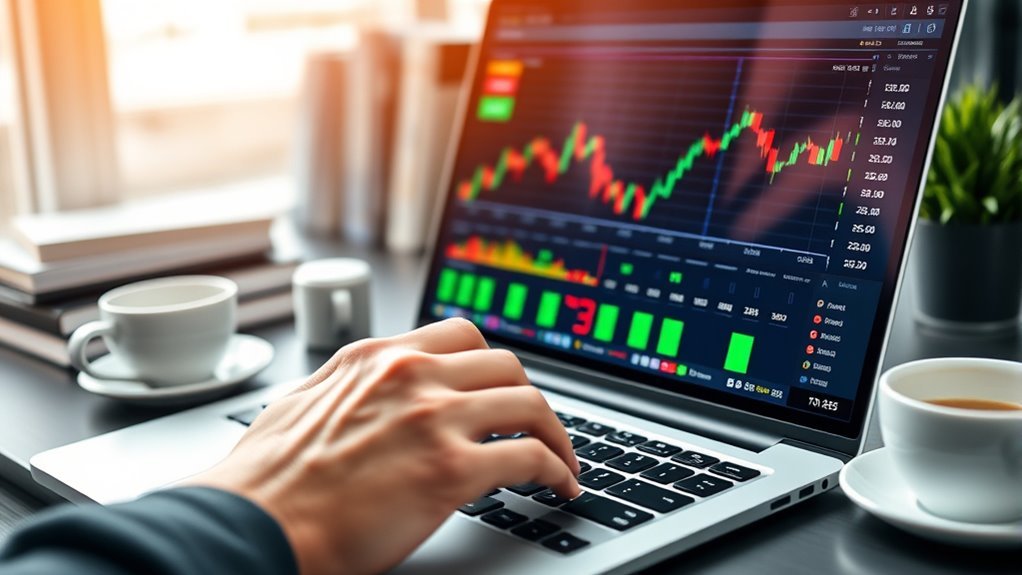
Having a solid grasp of commodity markets and trading basics sets the stage for choosing the right trading platform. You should pick a trading platform regulated by trusted authorities like the FCA or CySEC to guarantee security and compliance.
Make sure it offers access to commodities that fit your goals, whether futures, CFDs, or spot trading. Look for platforms with user-friendly interfaces, robust research tools, and educational resources to support your growth.
Confirm they provide secure deposit and withdrawal options, transparent fees, and clear leverage limits. Also, choose a platform that offers a demo account so you can practice without risking real money.
Finally, ensure it supports your preferred devices and trading software for smooth, flexible access. This way, you’ll have everything you need right at your fingertips.
Obtain Necessary Certifications and Licenses

Since commodities trading involves strict regulations, you’ll need to obtain the necessary certifications and licenses to operate legally. Start by registering with regulatory authorities like the FCA, which requires passing exams that test your knowledge of industry regulations and financial markets.
Beyond the basic license, pursuing additional certifications such as the CFA or CISI can bolster your credibility and expertise. Staying compliant means you’ll also need to keep up with ongoing license renewal and evolving regulations.
It’s wise to seek professional advice to navigate these requirements efficiently and ensure you meet all compliance standards. Holding recognized certifications and licenses not only legitimizes your trading activities but also builds trust with clients and opens doors for career growth in commodities trading.
Develop and Practice a Trading Strategy With Risk Management
When you develop a trading strategy, you analyze market fundamentals, technical patterns, and economic indicators to pinpoint the best entry and exit points. Incorporate disciplined trading and risk management by using stop-loss orders to limit losses and protect your capital during market volatility.
Backtesting your strategy against historical data helps you evaluate its effectiveness, refine your approach, and build confidence before live trading. Consistently monitor your trades to adapt to changing market conditions and improve performance.
Prioritizing risk management ensures you avoid emotional decisions and trade sustainably. By combining thorough market analysis with solid risk controls, you can create a robust trading strategy that balances opportunity and protection, giving you a better chance of long-term success in commodities trading.
Stay Informed and Continuously Improve Your Market Knowledge
Although commodities markets can shift rapidly, staying informed keeps you ahead of crucial changes. Regularly follow market news and industry reports from trusted sources like Bloomberg and Reuters to catch essential market updates.
Use financial platforms offering real-time data and market analysis to deepen your understanding of price movements. It’s also important to keep an eye on economic indicators, geopolitical events, and weather patterns since these heavily influence commodities trading.
Attending webinars and conferences is a great way to learn new strategies and gain fresh insights. Plus, don’t forget to review your trading performance consistently.
Analyzing your results helps identify gaps and refine your approach. By committing to continuous learning and staying alert to global developments, you’ll sharpen your skills and respond effectively to evolving market conditions.
Frequently Asked Questions
How Does a Commodity Trader Make Money?
You make money by buying commodities when prices are low and selling when they rise, using futures or options to leverage trades.
You’ll analyze markets, manage risks carefully, and act quickly on price fluctuations for profit. It’s all about timing and smart decisions to maximize your gains.
How to Enter Commodity Trading?
To enter commodity trading, you open an account, gain knowledge, practice strategies, and stay informed.
You’ll build skills, manage risks, and track markets—all while refining your approach until you trade confidently with real capital.
Which Commodity Trading Is Most Profitable?
Energy commodities like crude oil usually offer the most profit due to high volatility.
If you’re skilled at managing risk, trading volatile futures in energy or precious metals during economic shifts can maximize your earnings considerably. It’s all about timing and strategy when the markets move fast.
What Are the Steps to Becoming a Trader?
You’ll plant seeds by gaining certifications and hands-on experience, nurturing skills through courses and networking.
Practice in demo fields before harvesting real trades, steadily growing confidence as you navigate the market’s shifting winds.
Conclusion
Becoming a commodities trader isn’t just about numbers—it’s like charting the seas; you need a solid map, trusty tools, and the skill to read the weather. By understanding markets, choosing the right platform, and getting certified, you build a strong foundation.
Next, honing your strategy and staying sharp are key to navigating the ups and downs. Keep learning and adapting, and you’ll steer your way through volatility with confidence.
With these essential steps—market knowledge, the right trading platform, certification, strategic skills, and continuous learning—you’ll turn the unpredictable tides of commodities trading into your own success story. Ready to set sail on your journey to becoming a skilled commodities trader? The market is waiting!