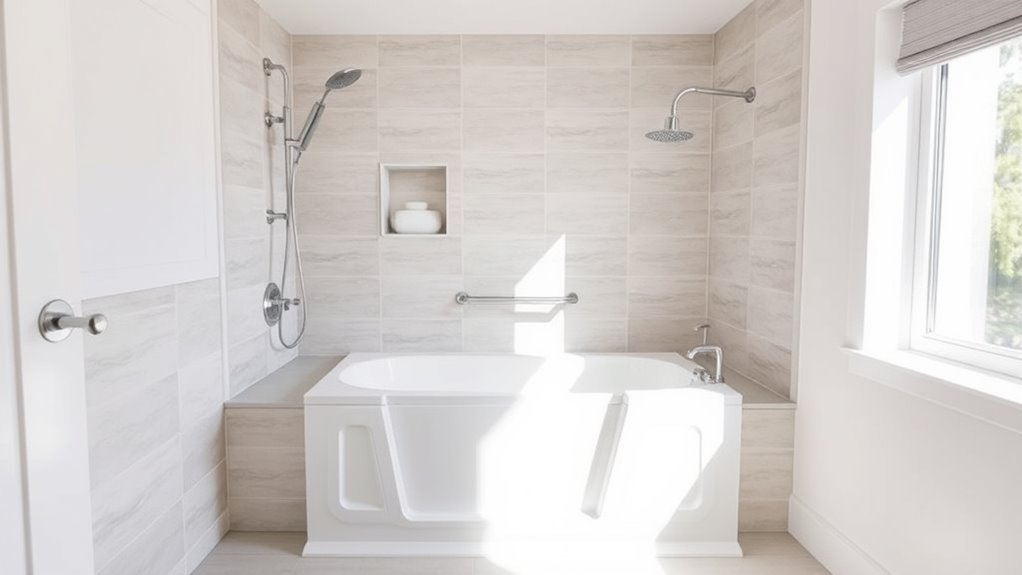
Does Medicare Pay for Walk-in Bathtubs?
Medicare typically won’t pay for walk-in bathtubs or their installation since they’re not classified as durable medical equipment.
Even with a doctor’s prescription, coverage is pretty rare because these tubs are seen more as home modifications than medical necessities.
So, if you’re wondering, “Does Medicare pay for walk-in bathtubs?” the short answer is usually no.
That said, some Medicare Advantage plans might offer limited benefits, but it really varies from plan to plan.
It’s worth checking your specific coverage to see if there’s any help available.
Meanwhile, you can explore other options like tax deductions, rebates, or VA grants that may help offset the costs.
Keep looking around to discover potential ways to make these tubs more affordable and accessible for your needs.
Key Takeaways
- Medicare generally does not cover walk-in bathtubs or their installation costs, as they are not classified as durable medical equipment. Coverage approval is rare even with a doctor’s prescription, since walk-in tubs are seen as non-medically necessary home modifications.
- Medicare Advantage plans vary, but most do not include walk-in tubs as standard benefits. So, it’s a good idea to check with your specific plan provider to be sure.
- Alternative funding options include Medicaid waivers, VA adaptive housing grants, and veteran-directed care programs for eligible individuals. These can sometimes help if you qualify.
- Also, tax deductions and rebates may help offset costs if the tub is prescribed for medical reasons and your expenses exceed 7.5% of your income. That might be worth looking into.
Medicare Coverage for Walk-In Tubs
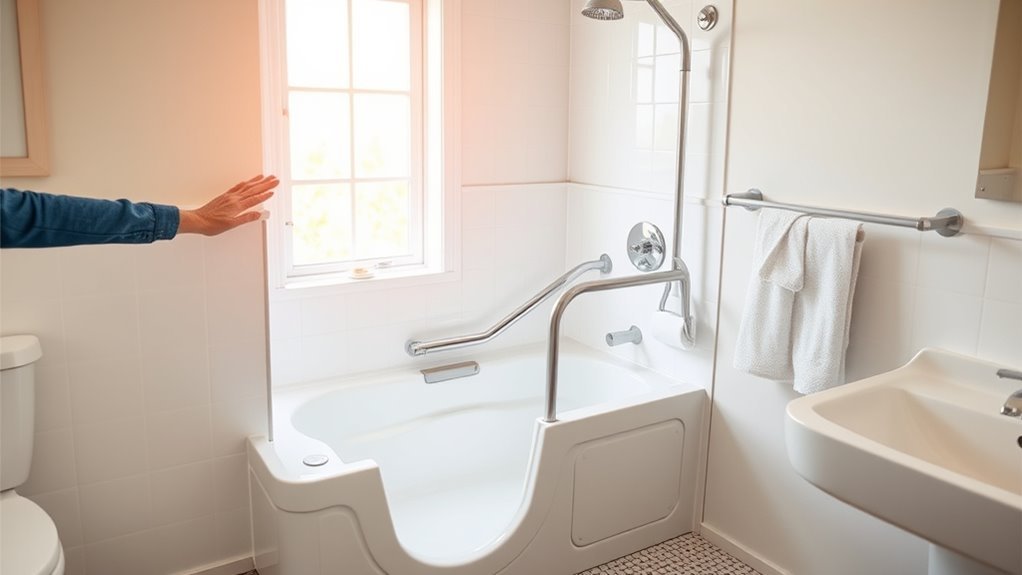
Although Medicare provides broad health coverage, it generally doesn’t cover walk-in bathtubs or their installation. Medicare classifies walk-in tubs as non-Durable Medical Equipment, which means they’re not reimbursable under Original Medicare (Part A and B).
You might hope Medicare Advantage plans offer better coverage, but walk-in tubs and related home modifications aren’t standard benefits. Even if a doctor prescribes a walk-in tub for a medical condition, approval for coverage is rare.
Because Medicare typically views these tubs as non-medically necessary home improvements, you should plan on paying for them out-of-pocket. Understanding this can help you avoid unexpected expenses when considering walk-in tubs as part of your home safety upgrades.
Medicare Advantage Plans and Walk-In Tub Benefits
While Original Medicare typically doesn’t cover walk-in bathtubs, some Medicare Advantage (Part C) plans may offer limited benefits for these home modifications. If you’re considering walk-in tubs, understanding your Medicare Advantage plans’ coverage is essential.
Here’s what to keep in mind:
- Coverage varies widely by plan and location—don’t assume all plans offer benefits for walk-in tubs.
- Some plans include supplemental health-related benefits that might cover bathroom safety features like walk-in tubs.
- You must contact your plan provider directly to confirm if walk-in tubs are eligible for coverage.
- Benefits depend on plan specifics and whether the modification supports your health or safety needs.
Medical Necessity and Prescription Requirements
How do you qualify for Medicare coverage of a walk-in bathtub? First, you need a prescription from your doctor stating the medical necessity. However, since walk-in tubs aren’t classified as durable medical equipment (DME), Medicare coverage is rare.
Your healthcare provider must document that the tub treats specific conditions like arthritis or mobility impairments. Without this, coverage is unlikely.
| Requirement | Details |
|---|---|
| Prescription | Doctor’s written order required |
| Medical Necessity | Essential for treating diagnosed condition |
| Classification | Walk-in tubs not considered DME |
| Coverage Evaluation | Based on necessity and classification |
| Medicare Reimbursement | Generally not available without necessity |
Alternative Financial Assistance Options
If Medicare won’t cover your walk-in bathtub, you might qualify for Medicaid waivers that fund home safety upgrades in your state. These waivers are designed to help make your home safer and more accessible.
Veterans can also apply for adaptive housing grants through the VA to help with bathroom modifications. It’s worth exploring these options because they could make installing a walk-in tub more affordable for you. Don’t hesitate to check what assistance you might be eligible for!
Medicaid and Home Modifications
Wondering whether Medicaid can help cover the cost of a walk-in bathtub? Medicaid programs differ by state, but many offer support for home modifications, including walk-in tubs, especially through HCBS waivers.
To see if you qualify, you’ll need to check eligibility based on income, disability, and state-specific rules.
Here’s what you should do:
- Contact your state Medicaid agency to explore available home modifications.
- Ask about HCBS waivers that fund safety-related improvements.
- Verify what walk-in tub expenses Medicaid covers and any funding limits.
- Work with local Medicaid planners for detailed guidance.
Veteran Grants and Benefits
Although steering financial assistance for home modifications can be challenging, veterans have access to several grants and benefits designed to help cover the cost of walk-in bathtubs and other safety upgrades.
The VA offers veteran grants like the Special Housing Adaptation (SHA) grant, providing up to $6,800 for home improvements if you have a service-connected disability. If you’re a non-service-connected veteran, the Home Improvements and Structural Alterations (HISA) grant offers up to $2,000 for bathroom safety upgrades, including accessible showers.
VA benefits also include Veteran-Directed Care programs, allowing flexible use of funds for home modifications. To explore eligibility and apply for these VA benefits, consult your local VA office or veteran service organization.
These resources can make essential home modifications more affordable and accessible. So, don’t hesitate to reach out and see what help you qualify for!
Tax Deductions and Rebates Related to Walk-In Tubs
Because walk-in tubs can be prescribed for certain medical conditions, you may be able to deduct their cost on your taxes as a medical expense. However, only the amount exceeding 7.5% of your adjusted gross income is deductible, which limits the benefit for many.
Keep in mind: installation and purchase costs qualify if deemed medically necessary. Also, home value increases can reduce your deductible medical expense.
Medicare doesn’t cover these tubs, so tax deductions and rebates become essential. Plus, some manufacturers offer rebates for veterans, seniors, or those with specific conditions.
If you itemize your deductions, these savings might ease your out-of-pocket expense. But if you take the standard deduction, these benefits may not apply.
Always consult a tax professional to maximize your deductible amount. It’s the best way to make sure you get all the tax advantages available to you.
Steps to Explore Coverage and Financing Opportunities
Start by contacting your Medicare Advantage plan to confirm if walk-in tubs or related modifications are covered. Gather a medical diagnosis and prescription from your doctor to support your claim.
Then, explore financing options like VA grants, USDA loans, or assistance programs to help fund your installation. These resources can make the process more affordable and less stressful.
Coverage Verification Process
When you’re considering a walk-in bathtub, verifying your Medicare coverage is essential to understand your financing options. Start with thorough coverage verification to know what’s included under your plan.
Here’s how to proceed:
- Contact your Medicare plan reps or check the official Medicare website to confirm if walk-in bathtubs qualify for coverage.
- Gather medical documentation from your healthcare provider supporting the need for this home modification.
- Review your Medicare Advantage benefits closely, as some plans offer partial coverage for safety-related home modifications.
- Keep detailed records of all communications, estimates, and medical paperwork to simplify any claims or appeals.
Following these steps ensures you understand your benefits and better navigate the complexities of Medicare coverage for walk-in bathtubs. It might seem like a lot, but taking it step-by-step really helps clear things up.
Financing and Assistance Options
Although Medicare coverage for walk-in bathtubs can be limited, you have several options to help manage the costs. Start by getting detailed quotes to understand the total price, including installation.
While Medicare Part B typically doesn’t cover walk-in tubs, you might qualify for financial assistance through government programs like Medicaid HCBS waivers or USDA rural grants for home modifications. If you’re a veteran, check if VA grants can help with bathroom upgrades.
Many providers offer financing plans with low or no interest, letting you spread payments over time. Combining these options with available rebates or tax deductions can further reduce your out-of-pocket expenses.
Exploring all these avenues ensures you maximize coverage and financial assistance for your walk-in bathtub. It’s definitely worth taking the time to look into every possibility!
Frequently Asked Questions
Does Medicare Pay for Walk-In Showers?
No, Medicare doesn’t usually pay for walk-in showers since they’re seen as home modifications.
You might find some coverage through Medicare Advantage plans, but it’s rare and depends on your plan and medical necessity documentation.
How Much Does a Safe Step Walk-In Tub Cost?
A Safe Step walk-in tub typically costs between $5,000 and $18,000, depending on features. Installation can add $1,000 to $3,000.
You can also explore financing, promotions, and discounts to help manage expenses. It’s worth checking out all your options to find the best deal for you!
How to Get a Free Walk-In Shower?
You can get a free walk-in shower by contacting local senior centers, nonprofits, or aging agencies. These organizations often have resources or programs to help with bathroom upgrades.
Also, look into government programs like Medicaid waivers or veterans’ benefits. They may cover bathroom modifications for eligible individuals, making it easier to get what you need without extra cost.
How to Get a Hot Tub for Medical Reasons?
You might think insurance covers hot tubs for therapy, but it rarely does. Still, get a doctor’s prescription, explore Medicaid waivers or private plans, and check tax deductions to help fund your medically necessary hot tub.
Getting a prescription from your doctor is a good first step. It shows that the hot tub is part of your medical treatment.
Next, look into Medicaid waivers or private insurance plans. Sometimes they offer coverage for medical equipment like hot tubs.
Don’t forget to check if you can claim any tax deductions. That might help ease the cost a bit.
It takes some effort, but these steps can make getting a hot tub for medical reasons more affordable.
Conclusion
Imagine stepping safely into a warm, soothing walk-in tub without worry. While traditional Medicare usually doesn’t cover these tubs, Medicare Advantage plans might offer some help if your doctor prescribes it for medical reasons.
Don’t forget to explore alternative financing, tax deductions, and rebates that can ease the cost. These options can make a big difference when upgrading your bathroom for safety and comfort.
By taking these steps, you’re one splash closer to comfort and independence in your own bathroom sanctuary. Remember, even if Medicare doesn’t directly pay for walk-in bathtubs, there are ways to make them affordable and accessible so you can enjoy safer bathing every day.